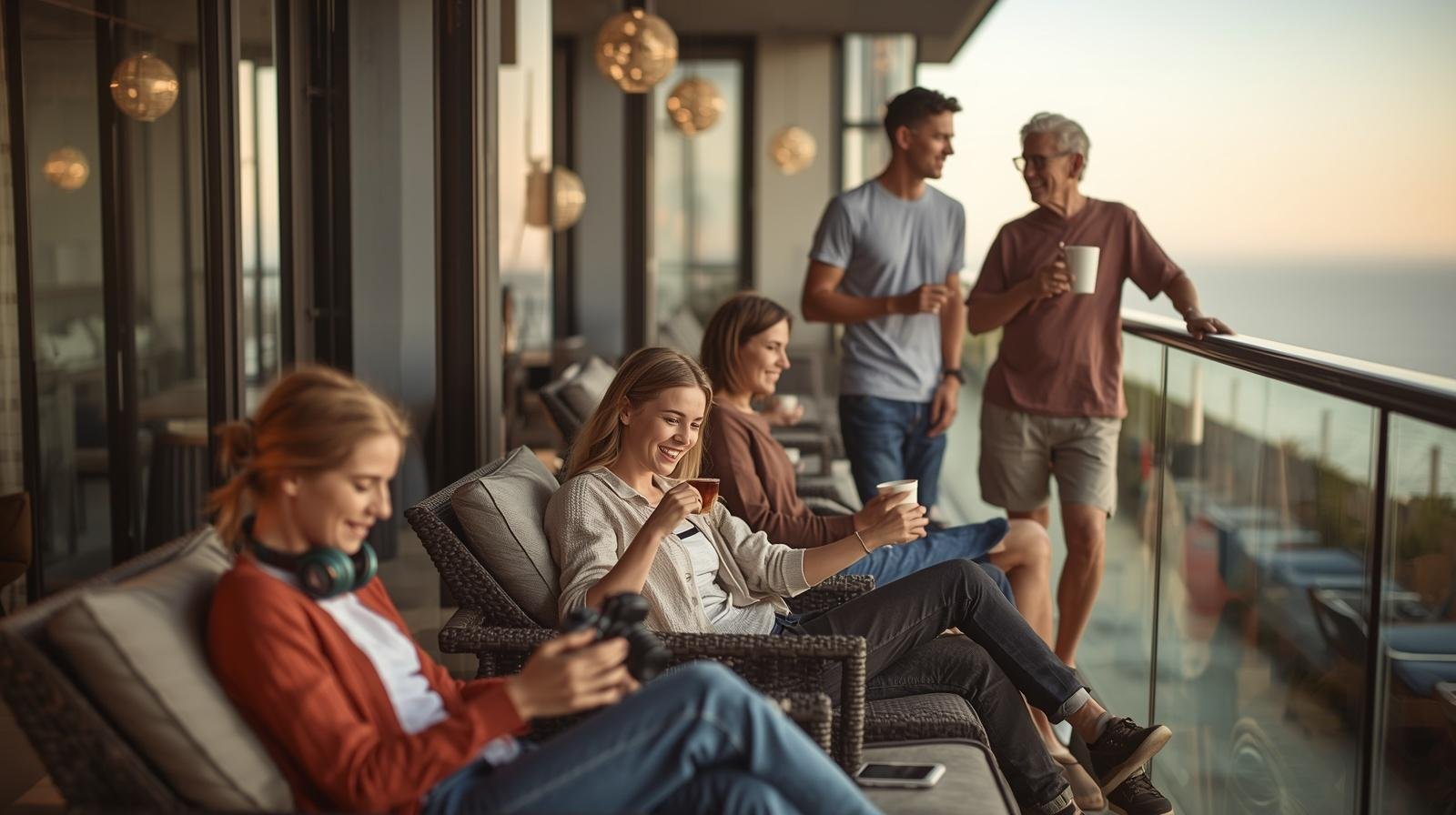
Traveling with Teens: Low‑Pressure Wellness Ideas They Might Actually Enjoy
Traveling with teens calls for a different kind of care than traveling with little kids. You’re not protecting nap windows—you’re trying to create space for big feelings, bigger brains, and bodies that are growing fast. It doesn’t mean dragging them through 6 a.m. yoga, tech bans, or long talks they’ll roll their eyes at. The goal is to weave in teen‑friendly wellness moments that feel like real freedom, not family homework.
Instead of strict “vacation rules,” think in terms of a loose plan that builds in family connection time they’ll want to participate in—while still letting them sleep in, bail on an activity or two, or take some extra downtime. The secret is weaving small resets into what they already want to do (explore, eat, take photos, stay up a bit later) so everyone enjoys the vacation together.
Start With A Teen‑First Mindset
Teens don’t usually want to be “managed” on vacation—but they do want to feel good in their bodies, less stressed, and more in control of their time. Your wellness plan works best when it honors that.
Shift your mindset from “what do I want us to do on this vacation?” to “how do I find activities they’ll enjoy so they’ll want to spend time together as a family?”
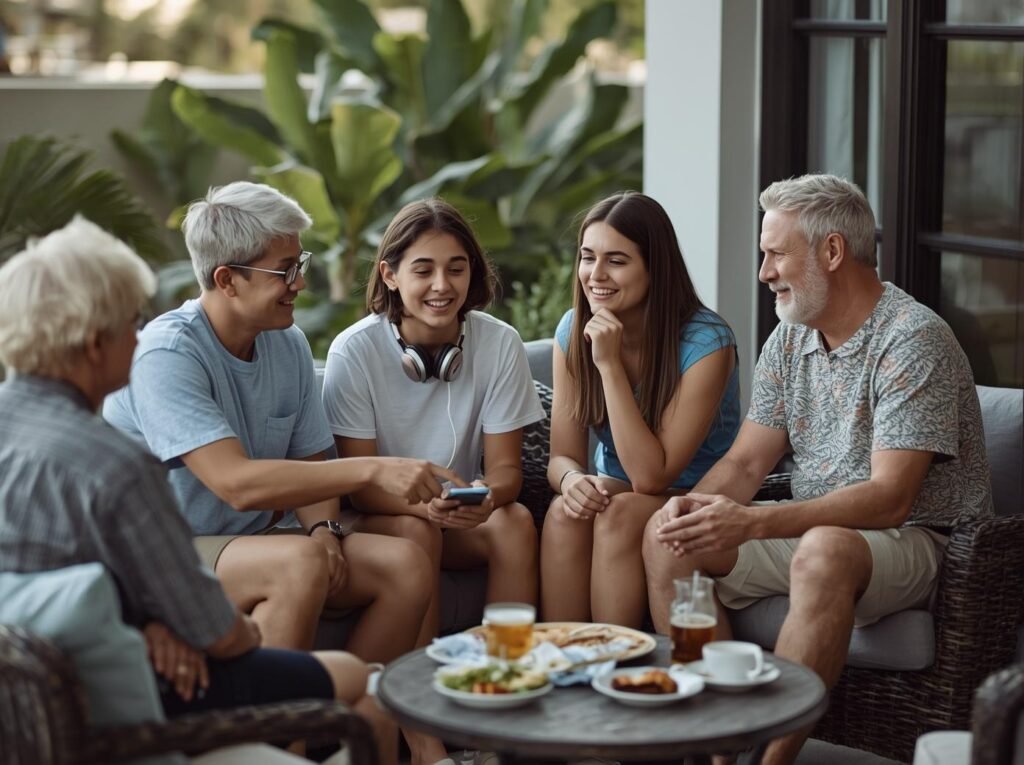
That might look like:
- Giving them a real voice in the day’s plan.
- Offering choices instead of directives (“sunset walk or pool hang before dinner?”).
- Treating sleep, food, and downtime as shared needs, not rules you enforce at them.
You’re designing days that respect the fact that they’re almost adults, traveling alongside you—not just coming along for the ride.
Build A “Home Base” They Actually Want To Be In
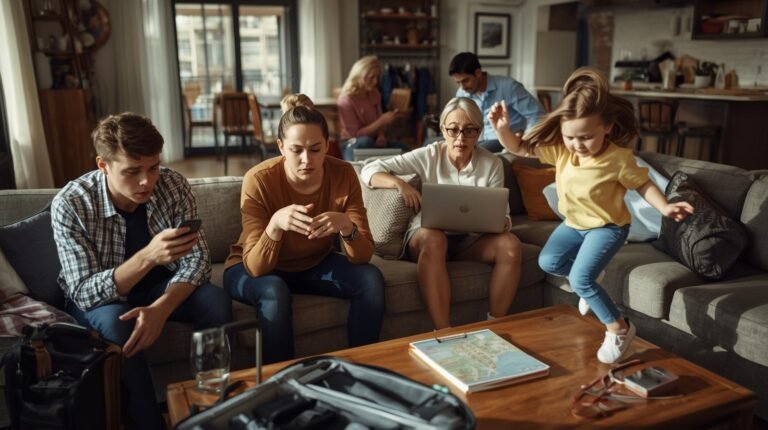
With teens, your hotel or rental isn’t just a nap zone—it’s a space to decompress. They need somewhere to retreat when the city, sights, or family dynamic feel like “too much.”
Look for a home base that’s:
- Comfortable to hang in: good Wi‑Fi, a cozy spot to flop, enough outlets, maybe a balcony or courtyard for solo time.
- Well‑located for independence: close to a park, promenade, or safe commercial area where older teens can walk to grab a snack or take a short solo break
- Zoned, if possible: any way to create small “corners” for privacy—separate sleeping spaces, a nook for reading, or even a shared room with headphones and agreed quiet hours.
Think of this space as everyone’s reset button—where they can shower, change, scroll, journal, or just lie down and stare at the ceiling without being “on.”
Build Days Around Shared Moments, Not Tight Timelines
Teens and early‑morning museum marathons rarely mix. Teens still benefit from rhythm, but they rarely thrive on rigid schedules and early alarms. Instead of packing the day full of activities, choose a few shared moments you care about and let the rest stay loose.
A simple teen‑friendly shape might be:
You’re anchoring the day in a couple of shared experiences and then letting teens expand or contract around that based on how they’re actually feeling.
Offer Movement That Doesn’t Feel Like Exercise
Most teens won’t sign up for family bootcamp at 7 a.m.—but they’ll often say yes to movement that feels social, scenic, or just plain fun. The trick is to tuck wellness inside experiences they’d choose anyway.
Ideas they’re more likely to enjoy:
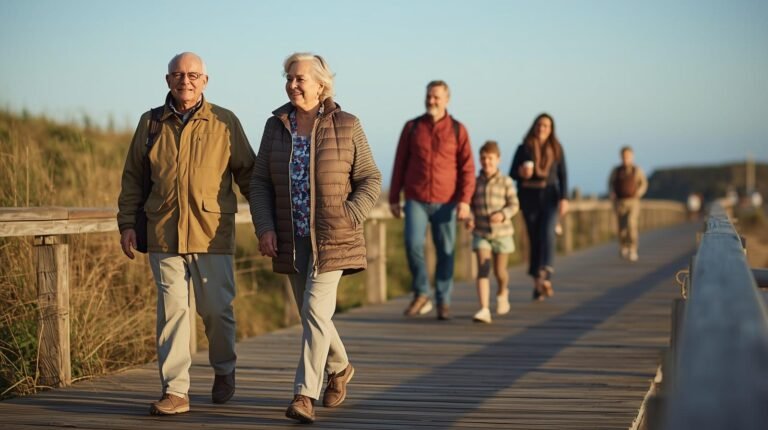
- Walks with a purpose: A 15–20 minute walk to grab their favorite drink, a lookout, a local market for snacks, or a thrift shop feels like an adventure, not a workout.
- Water‑based resets: Pool time, ocean swims, paddleboards, kayaks, or even a long hot shower are all ways to move, regulate, and unwind.
- Simple adventure: Easy hikes with big payoffs (views, waterfalls, suspension bridges), or beginner‑friendly activities like SUP lessons or even zip‑lines.
- Low‑key games: Joining ‘just for fun’ activities like mini‑golf, kicking a soccer ball, beach volleyball, or a quick game in the pool that gets everyone moving without calling it exercise.

You don’t have to call any of this “exercise.” Just frame it as “this could be fun—want in?” and leave the door open for a yes. These ideas can look a little different depending on where you’re headed—but the pattern is the same: movement wrapped in something fun, with a clear payoff at the end. Here are a few teen‑tested examples to spark ideas you can adapt anywhere.
These aren’t meant to be exhaustive—just patterns you can recreate anywhere.
U.S. EXAMPLES
- Seattle, Washington – waterfront walk to treats
On a city stay in Seattle, you might wander through Pike Place Market, then take a 15–20 minute walk along the waterfront toward a bakery or ice cream shop instead of hopping on a bus. Teens get photos, snacks, and a laid‑back city vibe, and everyone gets some movement without calling it a workout. - Austin, Texas – trail + tacos
In Austin, an easy loop along the Ann and Roy Butler Hike‑and‑Bike Trail by Lady Bird Lake can end with a stop at a nearby taco truck or outdoor cafe. You frame it as “let’s walk to tacos with a great view”. - Chicago, Illinois – riverwalk reset
In Chicago, you could stroll a stretch of the Riverwalk in the late afternoon, stopping for fries or milkshakes at one of the casual spots along the way. Teens can snap skyline photos and people‑watch while everyone sneaks in some gentle movement between more structured sightseeing.
EUROPEAN EXAMPLES
- Barcelona, Spain – beach promenade and gelato
In Barcelona, you might walk the beachfront promenade from Barceloneta toward Port Olímpic in the early evening, grabbing gelato or churros along the way. Teens get sea views, street performers, and snacks, and the walk itself becomes a low‑pressure wellness moment. - Vancouver, Canada – seawall strollIn Vancouver, an easy segment of the Stanley Park Seawall—on foot or by bike—can be paired with a stop for coffee, hot chocolate, or poutine nearby. It feels like roaming through a giant outdoor playground with views, not like a forced family workout.
- Sydney, Australia – coastal walk with a payoff
In Sydney, you could do just one short section of the Bondi to Coogee coastal walk, ending at a beach kiosk for smoothies or chips. Teens get dramatic ocean views and photo ops, and you all get a gentle dose of movement before heading back to your base to chill.
Sprinkle In Mind‑Body Resets That Don’t Feel Cringe
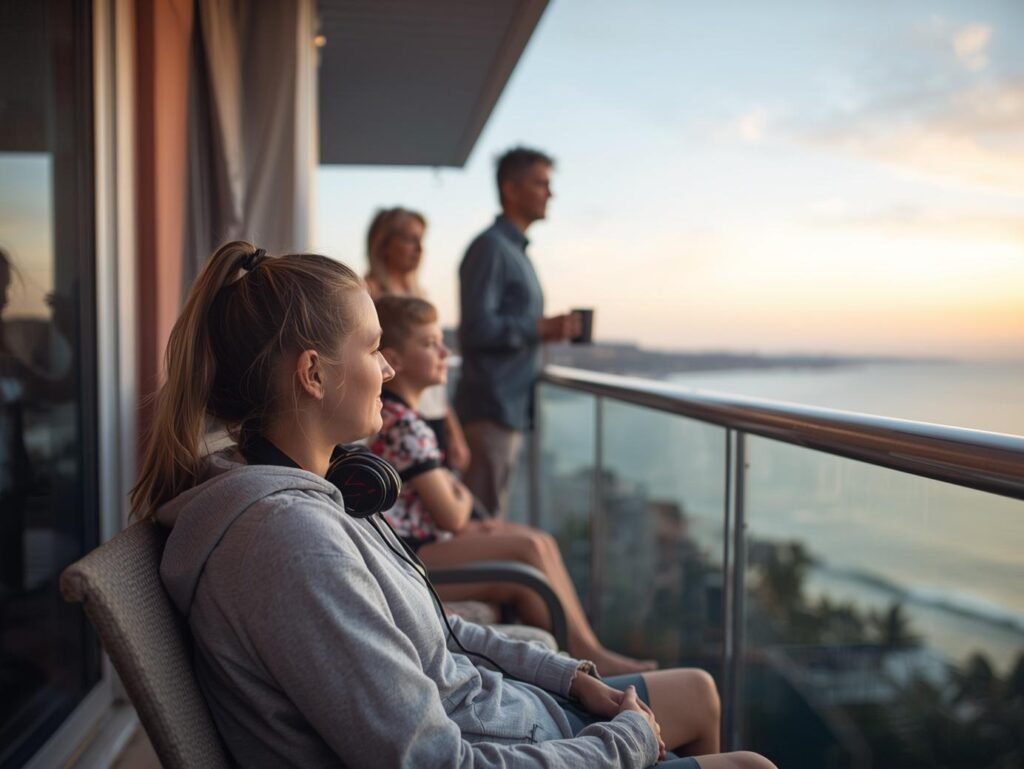
Many teens are dealing with heavy mental loads—school stress, friendships, social media, and identity stuff. Vacation is a chance to release some of that stress, but formal meditation sessions will feel awkward or forced.
Instead, offer tiny mind‑body resets that feel casual:
These practices help them actually rest on vacation. The point isn’t to teach them perfect coping skills; it’s to give them a handful of easy ways to come back to themselves when the day gets loud—and to let them pick what actually feels helpful, not forced.
Protect The Basics Without Micro‑Managing
In a city, it’s easy to stay out late, skip meals, and scroll right through the night. Instead of trying to control every choice, you can build in soft guardrails that keep everyone’s mood light. You can support your teen’s overall wellness without turning into the “vacation police.”
Think about:
- Sleep buffers, not strict bedtimes: You might agree as a family to avoid multiple back‑to‑back 2 a.m. nights. Avoid stringing together too many ultra‑late nights; try alternating “big” evenings (concerts, night markets, late dinners) with earlier, quieter ones.
- Snack strategy: Keep easy snacks in your bag and room—protein bars, nuts, fruit, local treats—so they’re not running on fumes between meals. Invite them to help stock the stash.
- Hydration habits tied to routine moments: Refill water bottles whenever you stop for coffee, bathroom breaks, or transit changes. “We all refill water when we stop” lands better than “drink more water.”
- Tech‑light pockets instead of full bans: Try short, clearly defined stretches—no phones for this 20‑minute sunset, during one meal a day, or while you walk from point A to B; then back to normal. Teens tolerate limits better when they’re small and predictable.
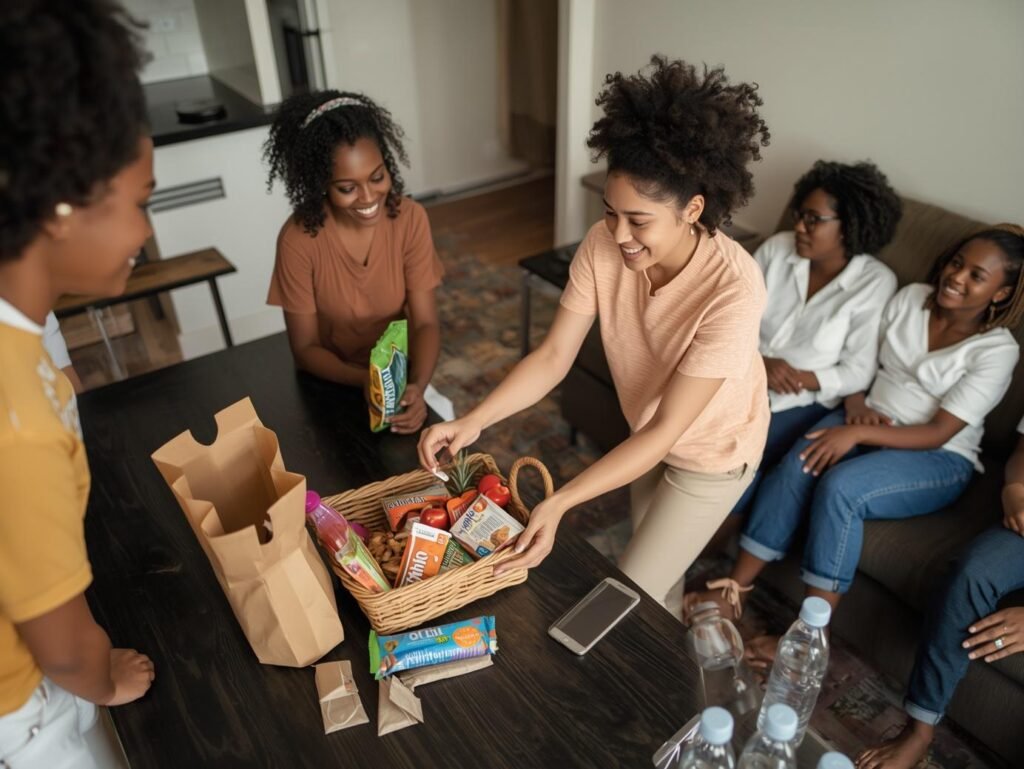
Teens may still stay up later and snack at odd times—but these quiet boundaries give their bodies a better chance to rest and reset.
Make Space For Independence (It’s Wellness, Too!)
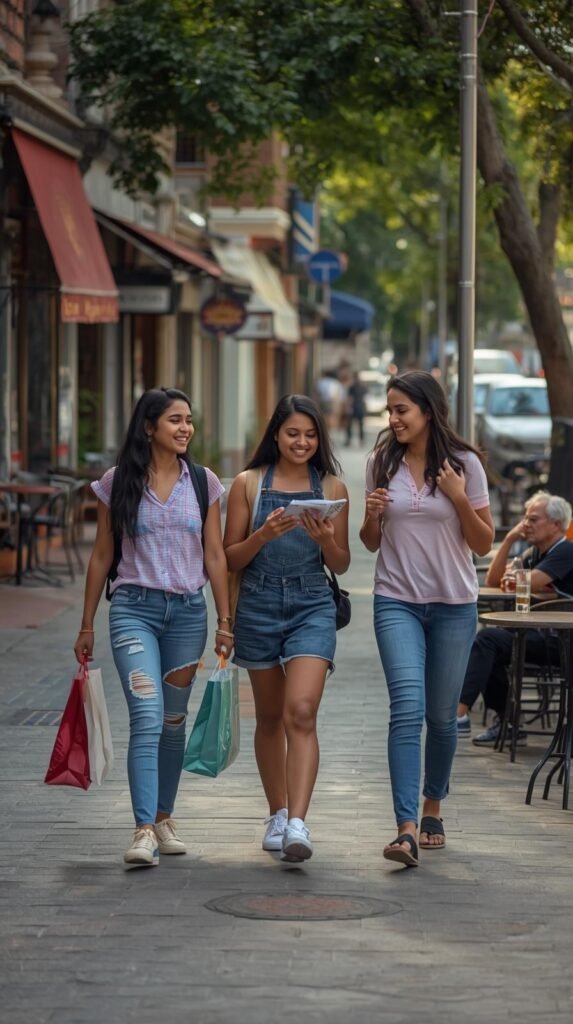
On vacation and especially in big cities, teens feel more grown‑up—and your wellness plan works better when they’re treated that way. For teens, emotional wellness on a trip often looks like feeling trusted, having some say, and not being “on” with the family 24/7. A little independence can go a long way.
You might:
- Let them design one block per day: Maybe they pick a thrift store, sneaker shop, bookstore, arcade, or neighborhood to explore; you all walk there together and then they get time to browse.
- Offer age‑appropriate independence: In safe, central areas, older teens might get some time to explore a nearby street or mall while you’re at a cafe around the corner.
- Share the plan ahead of time: A quick “here’s the idea for tomorrow” helps teens feel prepared and gives them time to ask for small tweaks (more downtime, different food, a shorter museum visit).
Feeling like they have a say rather than being told is its own kind of calming. When teens feel respected, they’re much more open to a “hey, want to walk instead of ride?” or “want to sit and watch the sunset for a few minutes?”
Make Your City Days Expandable (Teen Edition)
Just like with little kids, you’re designing days with built‑in exit ramps and “bonus rounds”—only now, the decisions are shared and teens help decide which version of the day you’re living.
Your core day may include:
- Late‑morning outing: One main neighborhood or attraction to explore—like a market district, a museum with a cool rooftop, or a guided street food or street art walk.
- Lunch + unstructured downtime: A relaxed meal, then a block of time back at your base where everyone does their own thing—shower, scroll, journal, nap, read.
- Energy check‑in: Before you decide what’s next, ask, “How’s everyone doing—feel like going out again or does a quiet night sound better?” You’re matching the rest of the day to real moods, a set plan.
Your expanded day may include:
- A gentle move‑your‑body moment: A sunset walk, night swim, stroll through a night market, or a quick wander to dessert.
- A treat they’re excited about: Boba, churros, fries, gelato, mocktails with a view, or a dessert bar they found on TikTok.
- A tiny evening ritual: Back at your base, everyone shares one highlight, one funny moment, or one photo from the day before phones go on full scroll mode.
If moods tank or feet give out, you stop at the core day and still call it a success. If everyone’s energy is still high, you expand into the bonus round—knowing you can pull the ripcord at any time without feeling like you “failed” the plan.
When Wellness Becomes a Natural Yes
When trips with teens are built this way—gentle movement tucked into walks, quiet resets between the buzzy moments, and plenty of choices baked in—wellness becomes something they naturally say yes to, not something you have to enforce. In the end, they come home not just with great photos and new favorite snacks, but with a feeling that travel can be both exciting and genuinely restorative.
If your next trip also includes grandparents or older relatives, you can use the same low‑pressure mindset to support them, too. In the next post, Traveling with Older Adults: Comfort‑First Wellness Planning for Multigenerational Trips, we’ll look at simple ways to keep everyone comfortable, included, and genuinely rested—without slowing the whole trip to a crawl.