Traveling with Older Adults: Comfort‑First Wellness Planning for Multigenerational Trips
Traveling with older adults doesn’t mean shrinking your plans or avoiding adventure—it just means designing the trip around comfort, accessibility, and energy instead of a packed checklist. The goal isn’t to “keep up”; it’s to build days that feel good in real bodies, with space to rest, reset, and actually enjoy being together.
Instead of marathon sightseeing, think in gentle layers: a simple core plan that still feels like vacation even if someone needs to head back early, with optional wellness‑minded extras you can add if everyone’s feeling up for it.
Aim for one or two intentional rest windows each day—back at your home base if possible—and let everything else flex around that.
Choose a Comfort‑First Home Base
When you’re traveling with aging parents or grandparents, your lodging isn’t just where you sleep—it’s the anchor for everyone’s energy, mobility, and sense of safety.
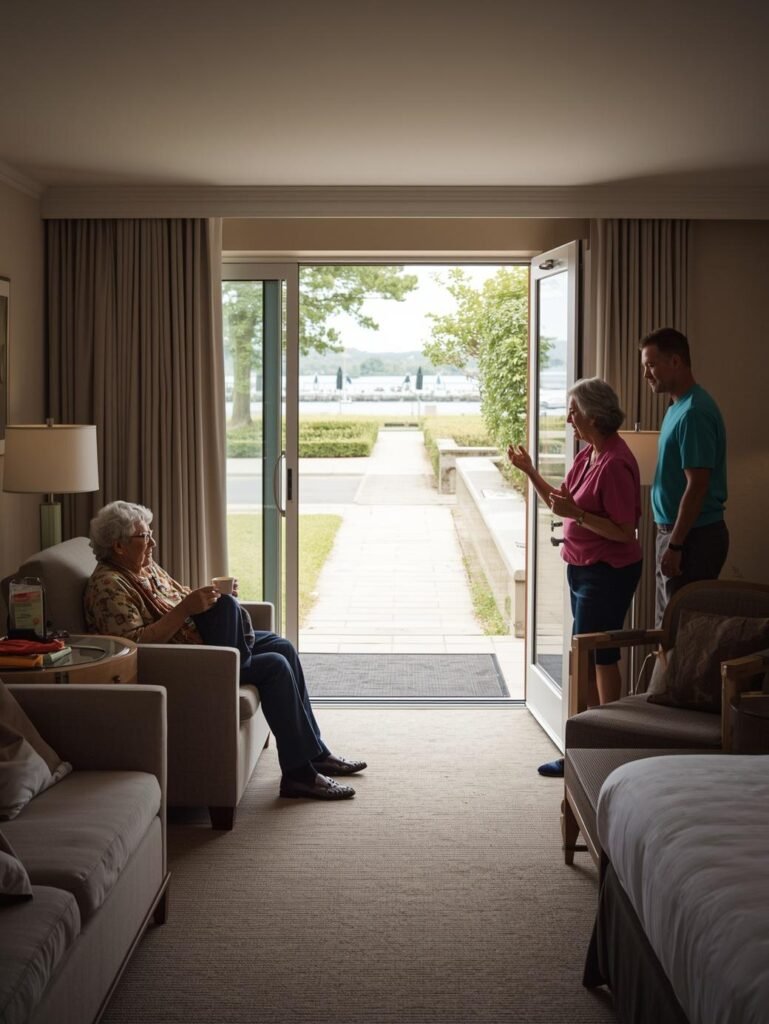
Choose a place that’s:
- Centrally located so no one is facing long walks or complicated transfers just to get home.
- Accessibility‑friendly, with as few stairs as possible, elevators when needed, and step‑in showers instead of tubs.
- Quiet and comfortable enough for midday downtime, not just a place to crash at 11 p.m.
- Close to at least one low‑effort outing—a promenade, park bench, cafe, or waterfront path.
This makes it easy to pivot. If someone’s joints act up, a nap is needed, or energy crashes after lunch, you’re not stuck far from a place to regroup.
Design Gentle, High‑Impact Days
Instead of trying to see everything, choose one or two “wellness anchors” per day—activities that are doable for older adults: slow museum visits with plenty of seating, scenic but short walks, a harbor cruise, a cooking class with stools, a spa afternoon, or a long, relaxed lunch. Everything else is optional.
A simple rhythm might look like:
For example, you might take a late‑morning harbor cruise, enjoy a seated lunch at a nearby restaurant, then head back for naps, or reading, with the option of a short evening walk to a ice cream shop if everyone feels up to it. This can feel just as rich as a packed sightseeing day—without aching knees and overtired grandparents.
Choose Cafes, Promenades, and Parks That Make Rest Easy
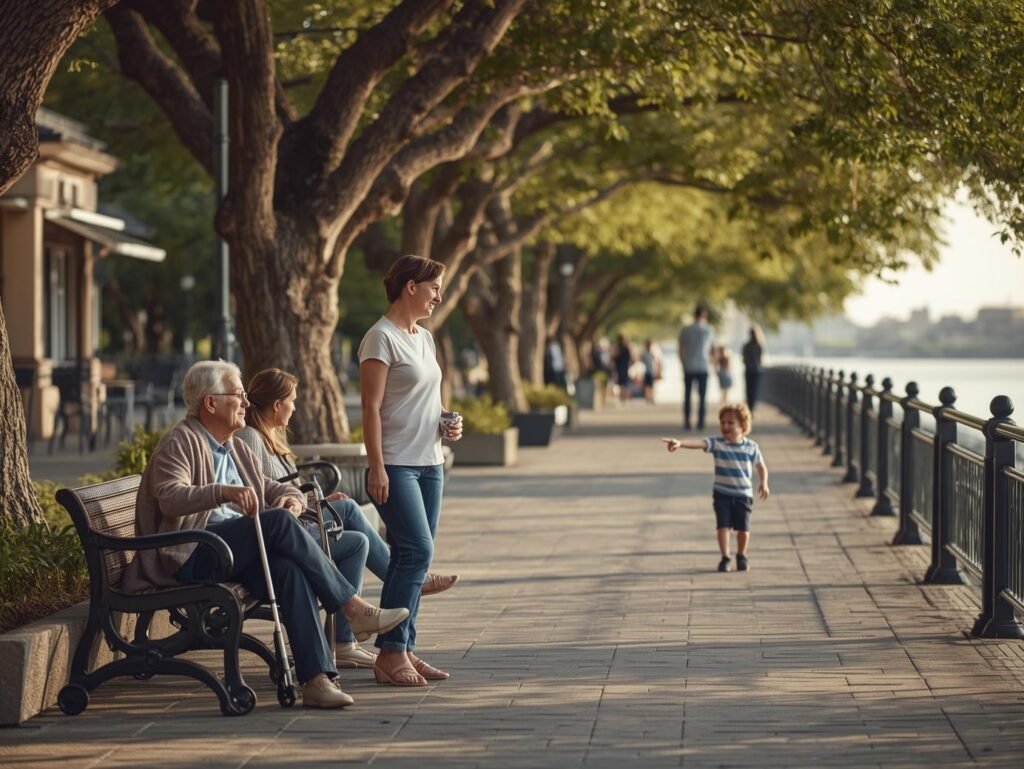
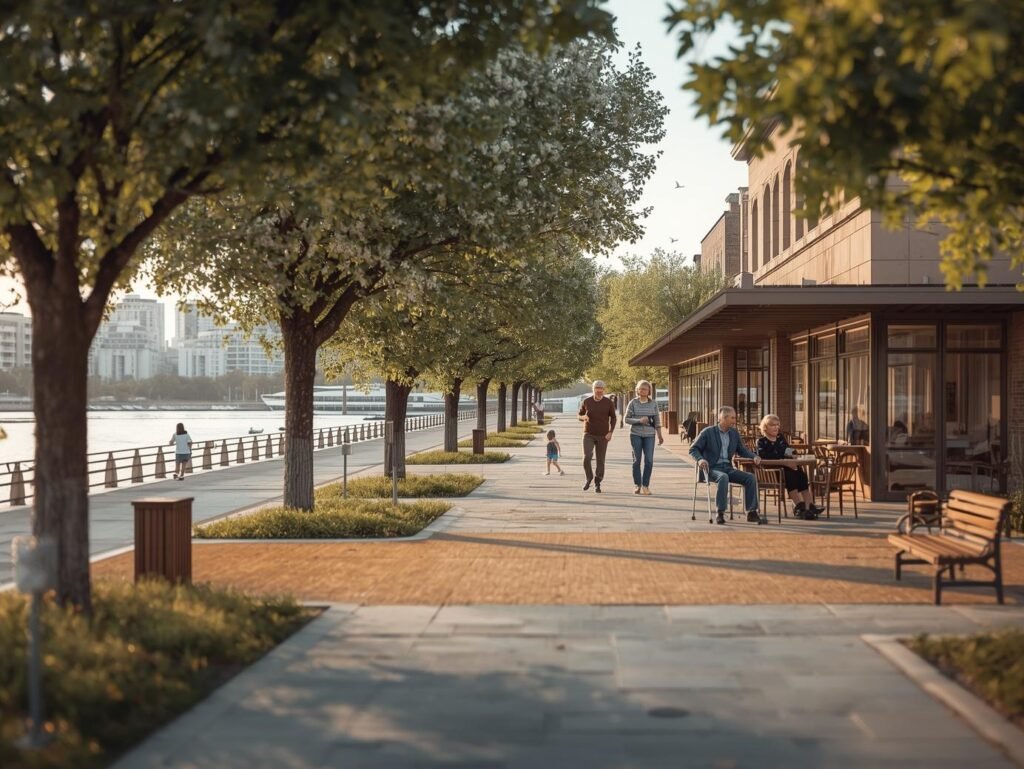
One of the easiest ways to make multigenerational wellness feel natural is to prioritize routes and stops that offer plenty of seating, shade, and bathrooms.
Look for:
- Cafes with outdoor seating near level sidewalks or plazas, so those with canes or walkers don’t have to navigate stairs.
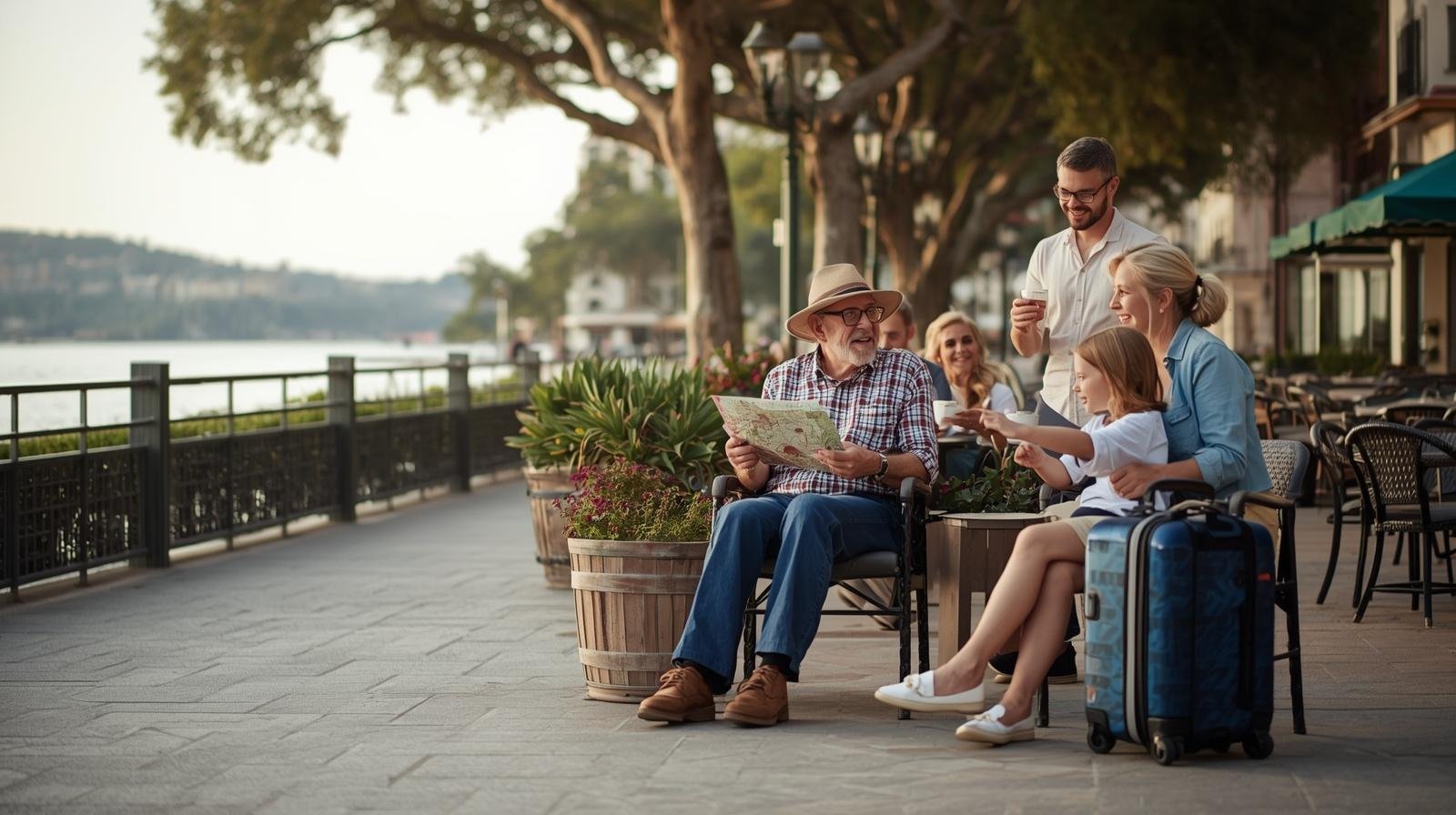
- Waterfront promenades or pedestrian streets with benches every few minutes, letting people rest often without feeling like they’re “holding everyone back.”
- Urban parks with flat paths, shady trees, and restrooms, so kids can move while older adults sit and soak up the atmosphere.
Before your trip, try searching:
- “Accessible waterfront walk + benches”
- “Flat park path + public restrooms”
- “Cafe with outdoor seating + near park”
You’re not building a checklist of attractions; you’re designing little wellness loops—a short stroll, a coffee or tea, time on a bench, and a gentle walk back.
U.S. EXAMPLES
- Myrtle Beach, South Carolina – Oceanfront Boardwalk
Myrtle Beach’s wide, mostly flat boardwalk gives older adults an easy way to enjoy the ocean air with railings, benches, and plenty of places to stop for coffee or ice cream along the way. - Boston, Massachusetts – Boston Harborwalk
The Boston Harborwalk is a paved waterfront path that links parks, neighborhoods, and restaurants, so grandparents can stroll a short section, sit by the water, and grab a meal without long, uneven walks.
EUROPEAN EXAMPLES
- Barcelona, Spain – Beachfront promenade
Barcelona’s beachfront promenade combines flat walking paths, frequent benches, and nearby cafes, so older adults can enjoy the sea breeze with as many or as few steps as they like.
Talk Openly About Comfort, Mobility, and Health Needs
The most “wellness‑forward” thing you can do happens before you book: have honest conversations about what feels comfortable physically and mentally for the older adults in your group.
Gently ask:
- How far is comfortable to walk at a time, and on what kind of terrain.
- Whether stairs, hills, cobblestones, or certain temperatures are challenging.
- If they might want or need a mobility aid—airport wheelchair assistance, or a scooter rental.
- Any medical considerations (heart conditions, joint pain, altitude concerns, vision issues) that should shape the destination and daily plan.
If possible, encourage a pre‑trip check‑in with their primary care provider, especially for longer or more active trips, higher altitudes, or international destinations. Ask about medications, time‑zone shifts, vaccines, and any red‑flags around flights or strenuous activity, then plan the trip around those realities.
Keep Travel Days Gentle and As Predictable As Possible

Travel days can be the hardest on older bodies—long security lines, heavy bags, lots of standing, and unfamiliar airports or stations. Build in extra comfort from the start.
Consider:
- Requesting wheelchair or escort assistance through airports to minimize walking and standing.
- Booking nonstop or single‑connection routes instead of juggling multiple short hops.
- Allowing generous layovers so you’re not sprinting between gates.
- Packing a “comfort kit” in their personal item: prescriptions, snacks that fit dietary needs, a refillable water bottle, compression socks, a light scarf or jacket, and noise‑reducing headphones.
On arrival days, treat the itinerary like a soft landing: a simple meal, a short walk or sit‑outside moment, and an early night. Let everyone’s nervous systems catch up before you start adding bigger adventures.
Make Movement Feel Gentle and Doable
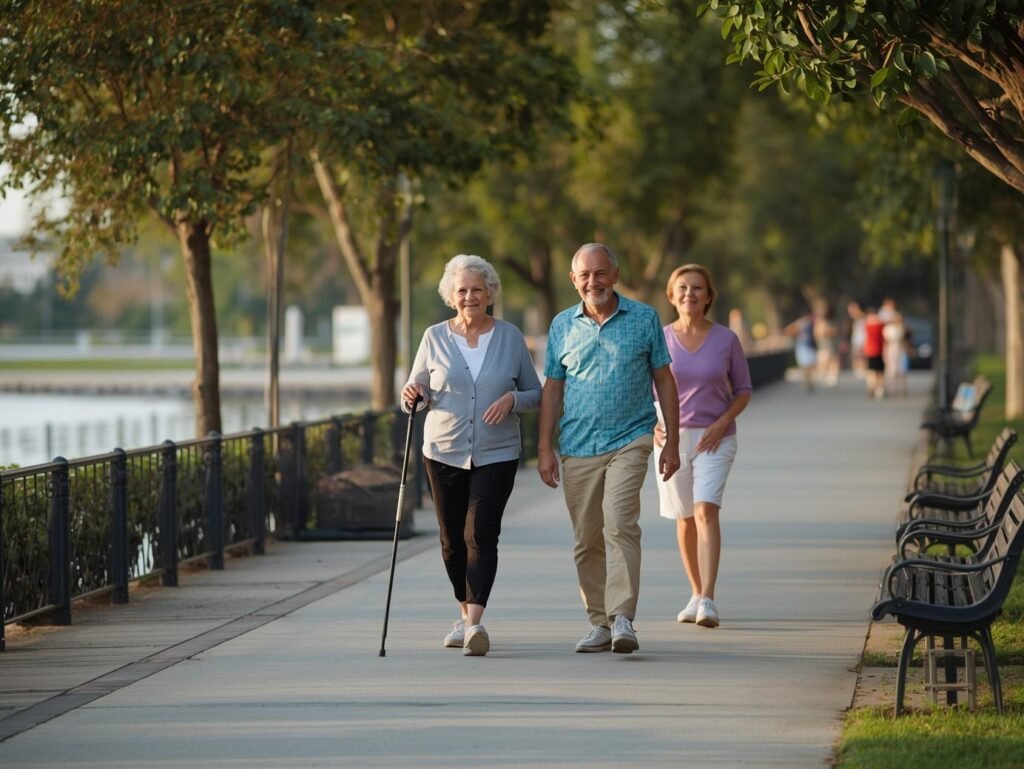
As bodies age, staying mobile matters—but that doesn’t mean anyone has to power‑walk through vacation or hit the hotel gym at 6 a.m. The goal on a multigenerational trip is simply to keep joints warm, blood flowing, and balance steady in ways that feel kind, not punishing.
You can build that in quietly by choosing activities like:
- Short, level strolls to dinner or viewpoint, planned for cooler times of day so heat and glare aren’t a problem.
- Slow “wandering time” through botanical gardens, waterfront promenades, or markets where there are railings, smooth surfaces, and lots of places to sit.
- Seated or low‑impact outings—boat rides, tram tours, accessible guided walks—where older adults can enjoy the scenery without having to stand for long stretches.
If a trip will be more active than usual (hills, lots of stairs, longer walking days), older adults can ask a doctor, physical therapist, or trainer ahead of time about simple pre‑trip prep: a few weeks of gentle strength, balance, and endurance work. Even small gains can make it easier to handle uneven sidewalks, curbs, and busy days without feeling wiped out or unsteady.
U.S. EXAMPLES
- Tampa, Florida – Tampa Riverwalk
The Tampa Riverwalk is a smooth, paved waterfront path with benches, museums, and restaurants along the way, making it easy for older adults to take short, scenic strolls with frequent rest stops. - St. Louis, Missouri – Missouri Botanical Garden
Missouri Botanical Garden combines paved walkways, gentle inclines, and plentiful benches, plus on‑site wheelchair and scooter rentals, so older adults can enjoy a “garden day” at their own pace.
OTHER REGIONS
- Vienna, Austria – Historic center and Ringstrasse
Vienna’s highly walkable historic center and flat Ringstrasse boulevard offer smooth pavements, excellent tram connections, and lots of cafes, making it ideal for seniors who want culture without steep hills. - Amsterdam, Netherlands – Canal belt and flat streets
Amsterdam’s flat terrain, low‑floor trams, and canal boat tours give older adults multiple ways to see the city with minimal strain, from short walks between cafes to fully seated cruises.
Protect Downtime Like a Shared Wellness Ritual
Downtime isn’t a bonus; it’s a daily wellness practice that protects everyone’s mood, joints, and patience—kids, teens, parents, and grandparents alike.
Think of rest as something you plan on purpose:
- Block a quiet 1–2 hour window in the middle of the day for reading, napping, showers, or simply being off your feet.
- Encourage people to use headphones, eye masks, or white‑noise apps if they share rooms, so light sleepers can truly rest.
- Treat “early nights” as a perfectly good choice, not a fail—especially after a full travel day or a big outing.
When rest is baked into the plan, older adults don’t have to choose between “pushing through” and “missing out.” They know there’s a reset point coming, and so does everyone else.
Offer Parallel Options Instead of One Pace for Everyone
Multigenerational wellness often means not doing everything together all the time.
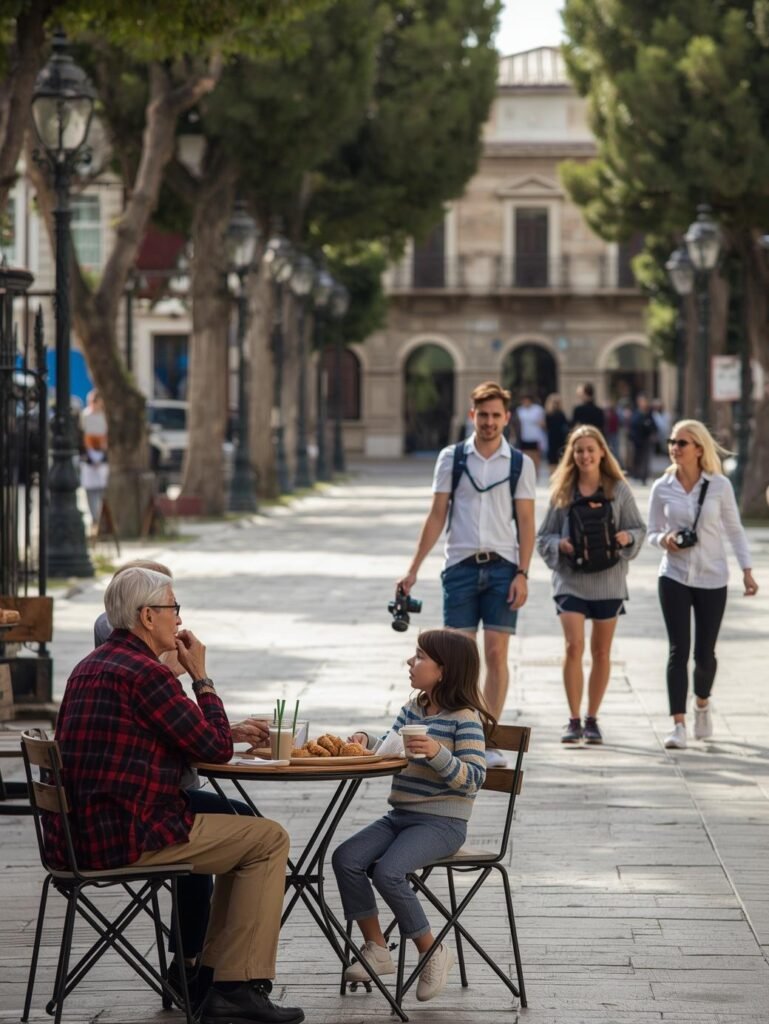
Some ideas:
- Plan a gentle option and an active option in the same neighborhood: a guided walking tour for those who want more movement, and a bakery + art gallery or park bench plan for those who want less.
- Book a private guide who can tailor the day—adding taxi segments, shortening walks, or choosing accessible entrances.
- Let grandparents and younger kids enjoy slow mornings together while teens and parents head out for something more intense (or sleep in), then meet up for lunch.
Clear communication upfront (“Here are today’s choices, everyone pick what feels best”) takes the pressure off older adults to “keep up,” and keeps resentment from building in either direction.
Keep Walks Short, Reward‑Filled, and Accessible
Long urban marches can be tough on older knees and hips, especially with heat, crowds, or hills. Instead, design short, purposeful walks with built‑in motivation and plenty of rests.
Try:
- A 10–15 minute flat walk from your lodging to a favorite cafe or bakery, with a sit‑down treat as the destination.
- A loop that passes shaded benches, public restrooms, and maybe a playground so grandkids can climb while grandparents sit and watch.
- An accessible viewpoint or riverside path that you reach by taxi or transit, so the “walk” is really a gentle, scenic meander, not a slog.
The key is giving everyone something to look forward to, just around the corner—good coffee, a beautiful view, a street musician, or simply a comfortable place to sit together and soak in the destination.
Plan Food with Comfort, Timing, and Restrictions in Mind
Meals can be a highlight or a stressor when you’re traveling with older adults who have specific dietary needs. A little planning goes a long way.
Consider:
Aim for meals that feel both nourishing and enjoyable, rather than a string of heavy, rich dishes that leave everyone sluggish. Think “comfort plus variety,” not “every local specialty in three days.”
Know When to Call It for the Day

It’s easy to feel pressure to “make the most” of a trip, especially when you’re conscious of how precious time with older relatives feels. But pushing through pain or deep fatigue usually backfires the next day.
Instead of adding another museum or viewpoint “just because it’s nearby,” pause and ask:
- How are people’s bodies doing—are you seeing limping, quieter conversation, or more frequent sit‑downs?
- Does everyone have the energy to actually enjoy one more stop, or are you doing it out of guilt or FOMO?
Ending while everyone still feels reasonably good protects joints, sleep, and tomorrow’s plans. You’re not cutting the day short; you’re choosing a pace that lets older adults wake up ready for connection instead of recovery mode.
Plan Days with Built‑In Exit Ramps
With older adults in the mix, the most sustainable days are the ones that offer graceful stopping points—not all‑or‑nothing itineraries. Think in terms of a core plan everyone can handle and optional add‑ons you only layer in if people are feeling good.
Your core day may include:
- Late‑morning outing: One key activity, like a city tour with transportation, a scenic train ride, or a museum that’s easy to navigate and offers plenty of seating.
- Unhurried lunch: A sit‑down meal close to your lodging where no one has to rush back out the door.
- Rest window: A solid block of time at your home base when people can nap, read, ice knees, or simply be off their feet.
Your expanded day may include:
- A simple, accessible outing: A short taxi ride to a lookout, a sunset sail, or a flat promenade stroll with lots of benches.
- A treat moment: Tea, gelato, or dessert at a nearby cafe—something special that doesn’t demand a long walk or late night.
- A brief evening wander: A 20–30 minute loop to hear live music in a square or see the city lights, with the understanding that anyone can opt out and head back early.
If the core day is all you do, the day is still complete. The add‑ons are there as invitations, not obligations, which takes pressure off older adults to push past what truly feels good.
A Trip Everyone’s Body—and Heart—Enjoys
When comfort, pace, and wellness come first, multigenerational trips with older adults stop feeling like logistics puzzles and start feeling like what they truly are: rare, meaningful time together.
Older adults feel considered rather than like an afterthought or an obstacle. Kids and teens see a model of travel that honors real bodies and energy instead of glorifying exhaustion. And you come home not just with photos, but with shared memories where no one spent the week in pain or left behind. Because the goal isn’t to conquer the itinerary—it’s for everyone to actually enjoy the experience together.

Now that we’ve walked through trips with little kids, teens, and older adults, take a minute to think about your own crew. Who’s around your table—or your hotel breakfast buffet—on your next trip?
Use this series as a starting point to sketch a few “comfort‑first” days that would actually feel good for the people you love most. If it’s helpful, send this post to the person you always end up planning with so you can start dreaming on the same page. Save this post for your next planning session.