Traveling with Little Kids: Building Nap-Friendly, Play-Filled Days
Traveling with little kids doesn’t mean slowing down your vacation—it just means designing it differently. The secret isn’t packing in more; it’s planning smarter. With a little intention, you can build “expandable” days that protect naps and downtime while still delivering the magic, spontaneity, and joy that make a trip feel like a true getaway.
Instead of rigid schedules, think in flexible layers: a simple plan that still feels like vacation even if you head back early, with optional extras you can add if energy (and moods) allow. Aim for at least one solid, protected nap (or rest time) each day—back at your home base if possible—and let everything else flex around that.
Start with a “Home Base” Mindset
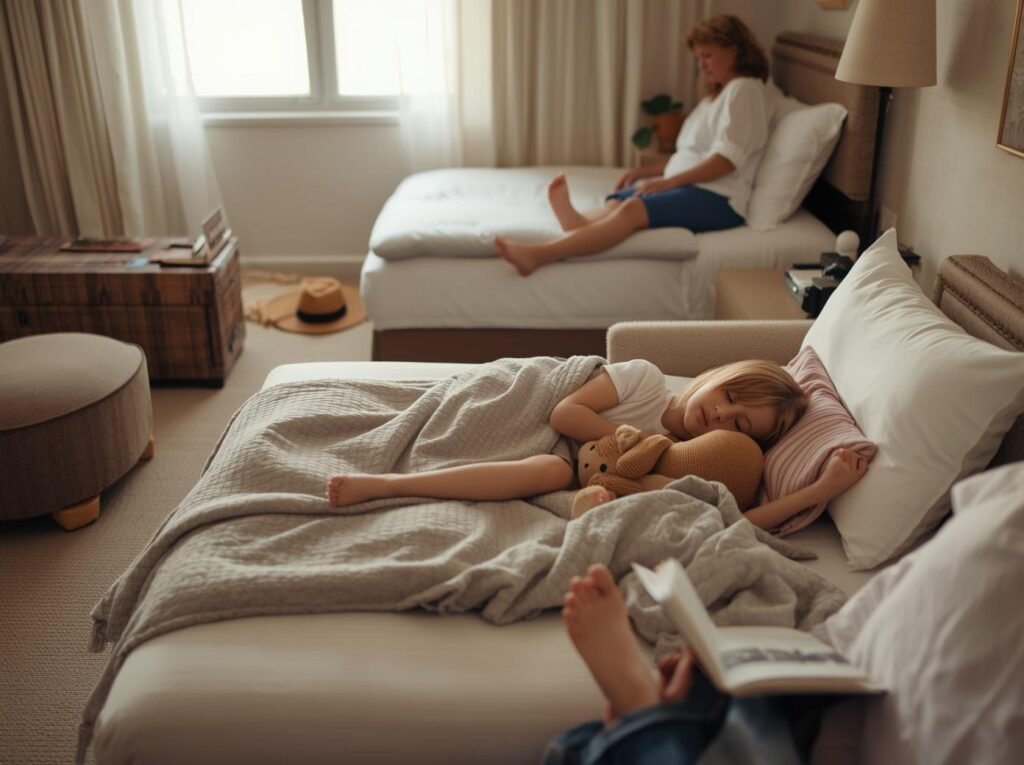
When traveling with young kids, your accommodation isn’t just where you sleep—it’s your reset button.
Choose a place that’s:
- Centrally located so you can return easily
- Comfortable enough for midday rest (not just a place to crash)
- Close to at least one park, cafe, or low‑effort outing
This makes it easy to pivot. If naps run long or energy dips, you’re not stuck far from a place to regroup. Think of your day as a loop, not a straight line—you’re always able to circle back.
Build Days Around Anchors, Not Itineraries
Instead of a packed checklist, choose one or two “anchor” (must‑do) activities per day. Everything else becomes optional. This matches what many family‑travel and sleep experts suggest: one main outing, protected rest, and a lighter second block if it fits.
A simple structure might look like:
For example, you might visit a local attraction in the morning, come back for lunch and a nap, then take an easy walk to a neighborhood bakery and playground. This can feel just as fulfilling as a packed sightseeing schedule—without the meltdowns.
Choose Cafes or Bakeries Next to Playgrounds
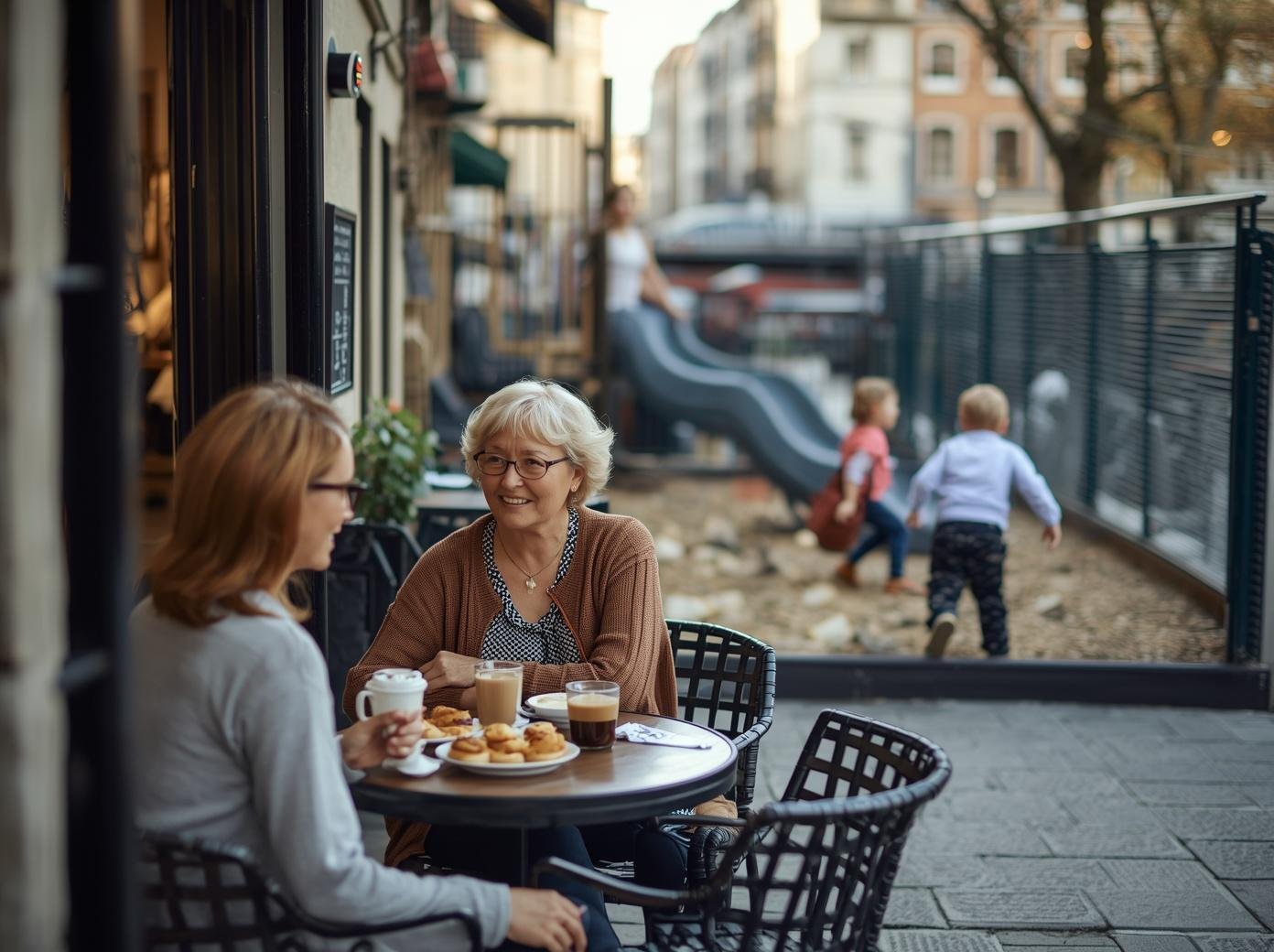
One of the easiest ways to blend adult enjoyment with kid‑friendly fun is to prioritize stops near parks or open play spaces.
This lets:
- Kids move and burn energy
- Adults sit, relax, and enjoy a meal or coffee
- Everyone stay longer without anyone getting restless
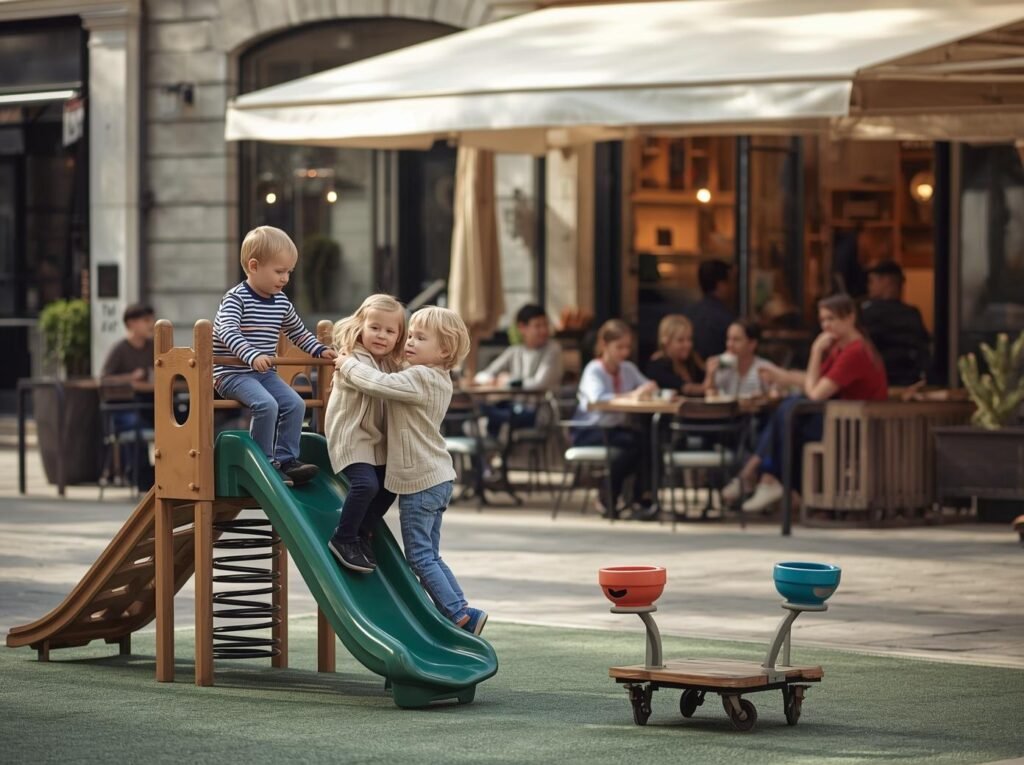
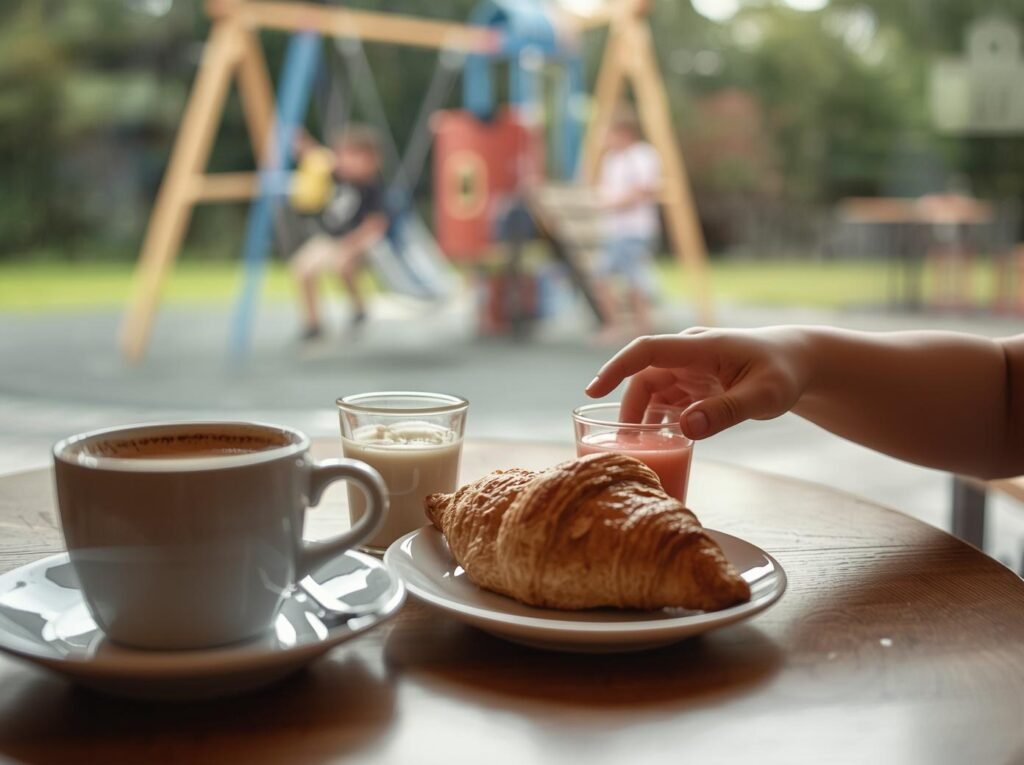
Before your trip, try searching:
- “Playground near bakery” or “park with coffee nearby”
- Local family blogs or Google Maps photos that show outdoor seating next to play areas
These examples aren’t meant to be an exhaustive list, but they show the pattern so you can recreate it anywhere.
U.S. EXAMPLES
- Downtown Annapolis, Maryland – Bitty & Beau’s Coffee + Newman Street Playground
Bitty & Beau’s Coffee (124 Dock St.) sits just a few minutes’ walk from Newman Street Playground, which has separate structures for toddlers and older kids, shade, and picnic tables. Parents can grab coffee and sit outside, then walk along the water and over to the playground while kids run, climb, and play. - Berkeley, California – Strawberry Creek Park+ Hidden Café
In Berkeley, Strawberry Creek Park tucks a tiny Hidden Café right into the heart of the green space, creating an effortless “coffee plus playground” loop for families. Parents can grab a latte or pastry at the cafe’s outdoor tables while kids rotate between the playground, the wide open lawn, and the little creek that runs through the park.
Even better? European‑style plazas or pedestrian zones where kids can safely roam while you sit nearby.
EUROPEAN EXAMPLES
- Paris, France – Luxembourg Gardens playground + nearby cafés
The Jardin du Luxembourg has a famous fenced playground and lots of open space where kids can run and sail toy boats, with plenty of cafes and kiosks ringing the garden for coffee and simple snacks. Adults can sit under the trees or at a nearby cafe table while kids play in sight, which feels very “European plaza with a built‑in playground.” - London, UK – Coram’s Fields + on‑site cafe
Coram’s Fields is a beloved central London playground and park that includes a small cafe serving coffee and light food right beside the play areas. Parents can sit with a hot drink while watching kids explore the playground and even visit the little city farm area.
Time Splash Pads or Play Stops Strategically
Splash pads, playgrounds, and open spaces are your secret weapon—but timing matters.
Plan these stops for:
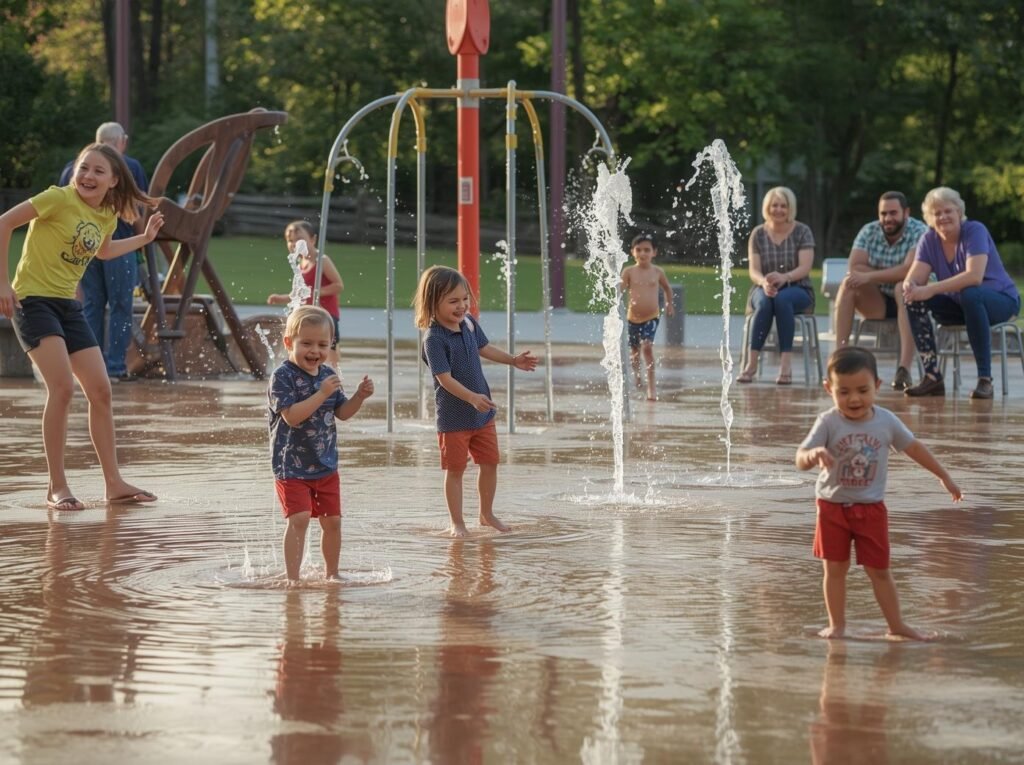
Avoid squeezing them in when kids are already tired. That’s when fun turns into frustration fast. A well‑timed splash pad visit can completely reset the tone of the day—turning cranky energy into laughter in minutes.
These examples simply show how timing can work in real places.
U.S. EXAMPLES
- Miami, Florida – Pinecrest Gardens splash pad
Pinecrest Gardens has a lush playground and splash pad that’s perfect for a mid‑morning “run wild before nap” block, with giant lizard structures, swings, and water play all in one gated space. Families often arrive after breakfast, let kids rotate between the playground and splash pad, then head back to their hotel or rental for naps before coming out again in the cooler late afternoon. - Los Angeles, California – Stoner Recreation Center
Stoner Recreation Center in West LA has a pool and splash pad with gradual entry and shallow water fun, making it ideal for a late‑afternoon cool‑down after a morning of sightseeing or beach time. Parents can time it for that post‑nap window, letting kids splash and climb while adults relax on the sidelines before an early dinner and wind‑down back at home base.
OTHER REGIONS
- Queen Elizabeth Olympic Park, London, UK – Tumbling Bay Playground
Tumbling Bay mixes natural‑style climbing structures with sand and water play, and families often plan it as a mid‑morning or post‑nap stop rather than tacking it onto an already long museum day. Parents can sit near the Timber Lodge Cafe while kids move between dry play and water features, then head “home” to rest before adding anything else. - Bennebroek, Netherlands – Linnaeushof (Europe’s largest playground)
Linnaeushof has over 350 play structures and water play zones arranged in separate areas for younger and older kids, making it the kind of place you intentionally schedule for a single morning or afternoon block—not a last‑minute extra. Many families arrive mid‑morning, let kids go all‑in on the splash and play areas, then leave before everyone is overtired, preserving energy for a quiet evening back at their base.
Keep Walks Short and Reward‑Filled
Long walking tours and little kids rarely mix. Instead, plan short, purposeful walks with built‑in rewards.
Try:
- A 10‑minute walk to a bakery for a treat
- A stroll to a nearby park with a snack stop along the way
- A quick wander through a local market with something fun to spot or taste

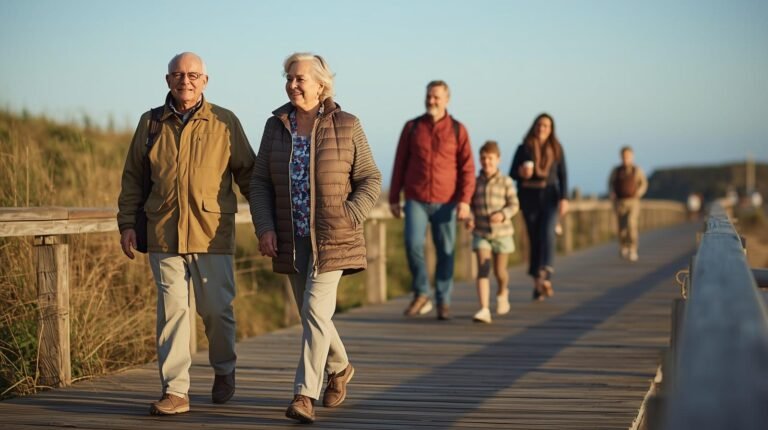
The key is giving kids something to look forward to just around the corner. For grandparents traveling along, this approach also keeps the pace comfortable and enjoyable for everyone.
U.S. EXAMPLES
- New York City – Central Park to a bakery on the edge
In Manhattan, a short wander through Central Park’s Mall and nearby play areas can end with a 10–15 minute walk out to a neighborhood bakery or cafe along the park edge (for example, near the southeast corner), turning “let’s stretch our legs” into “let’s go get a croissant and juice.” It’s an easy loop for grandparents and young kids: play in the park, walk out for a snack, then head back to your hotel for a midday rest. - San Francisco – Bernal Heights trail + neighborhood treats
The Bernal Heights Trail is a short, mostly stroller‑friendly loop that rewards you with a big 360‑degree city view, and you can pair it with a nearby cafe stop in the surrounding Bernal Heights neighborhood. A simple plan is: walk up in the morning when it’s cool, let kids “find the city from above,” then walk back down for pastries or hot chocolate before heading back for nap time.
OTHER REGIONS
- Paris, France – Square du Temple to Place des Vosges
In the Marais, you can start with a short play stop at Square du Temple (which has a play structure), then walk about 10–15 minutes through side streets toward Place des Vosges, stopping for a coffee or treat along the way. Kids get a playground and an easy “let’s go find the big square with arches” mission, while adults get a gentle urban stroll plus a cafe moment at the end. - Near Tokyo, Japan – Kinchakuda and Hiwada country walk with cafe and ponies
Outside Tokyo, the Kinchakuda–Hiwada area offers a gentle country walk that feels more like a ramble than a hike, with an organic cafe and ponies along the way as built‑in “rewards.” Families can do just a short segment with young kids—walk until you reach the cafe and ponies, take a break, then turn back before anyone is overtired.
Embrace the Power of Saying No to “One More Thing”
One of the hardest—and most important—skills in family travel is knowing when to stop. It’s tempting to squeeze in “just one more stop,” especially when you’re in an exciting destination. But often, that extra push is what tips the day into overtired tantrums.
Instead, ask:
- Are the kids still engaged or starting to fade?
- Would heading back now make tomorrow easier?
Choosing to end on a high note—rather than pushing until exhaustion—helps preserve both the day and the overall trip experience.
Make Your Day Expandable
You’re building days with built‑in exit ramps and bonus rounds, not a single all‑or‑nothing plan. If everyone’s thriving, you can “expand” into that extra playground or evening stroll; if they’re fading, you simply stop at the core day and still call it a win.
Your core day may include:
- Morning outing: One main activity while everyone is fresh—like a museum with a good kids’ area, a short boat ride, or a neighborhood market. Aim for something you can walk to or reach quickly so you’re not burning energy on long commutes.
- Lunch: Keep it simple and close to your home base—picnic in a nearby park, a casual cafe, or takeaway back at your lodging. This is a natural reset point and a chance to watch everyone’s mood and energy.
- Nap (or quiet rest time): A solid block back at your home base with lights low and screens off if possible. Some kids may sleep, others might play quietly, but the goal is the same: everyone’s nervous system gets a break before you decide what’s next.
Your expanded day may include:
- A playground stop: After nap, head somewhere close by—a playground, or grassy square—so kids can run, and shout without a lot of adult effort. Think of this as a pressure‑free “bonus round,” not a must‑do
- A treat stop: Fold in a small reward like a bakery, or gelato stand on the way to or from the park. It doesn’t have to be sugary every time—fruit cups, or a simple shared snack work too—but it gives kids something to look forward to just around the corner.
- A short evening stroll: If everyone still feels good after dinner, add a gentle stroll along the waterfront, through a pedestrian street, or around the block to see the city. Keep it simple in order to cut it short the moment kids (or grandparents) start fading.
By planning this way, you never feel like you’re missing out—you’re simply choosing the version of the day that fits. Over time, this makes the whole trip feel more spacious, because you’re measuring success by how it felt, not how many stops you squeezed in.
The Real Win: Everyone Enjoys the Trip
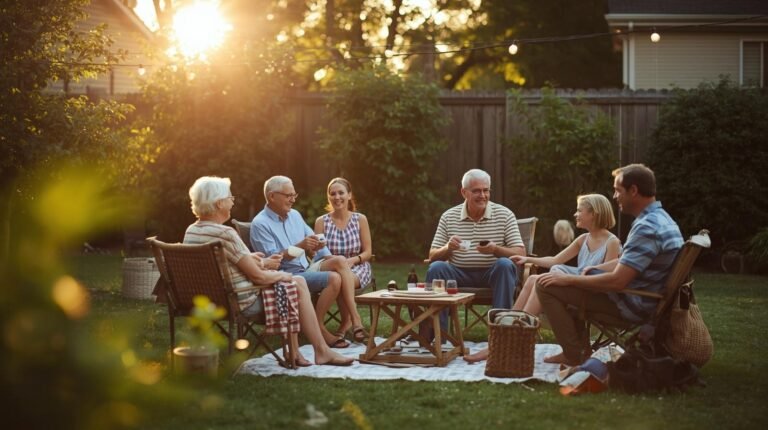
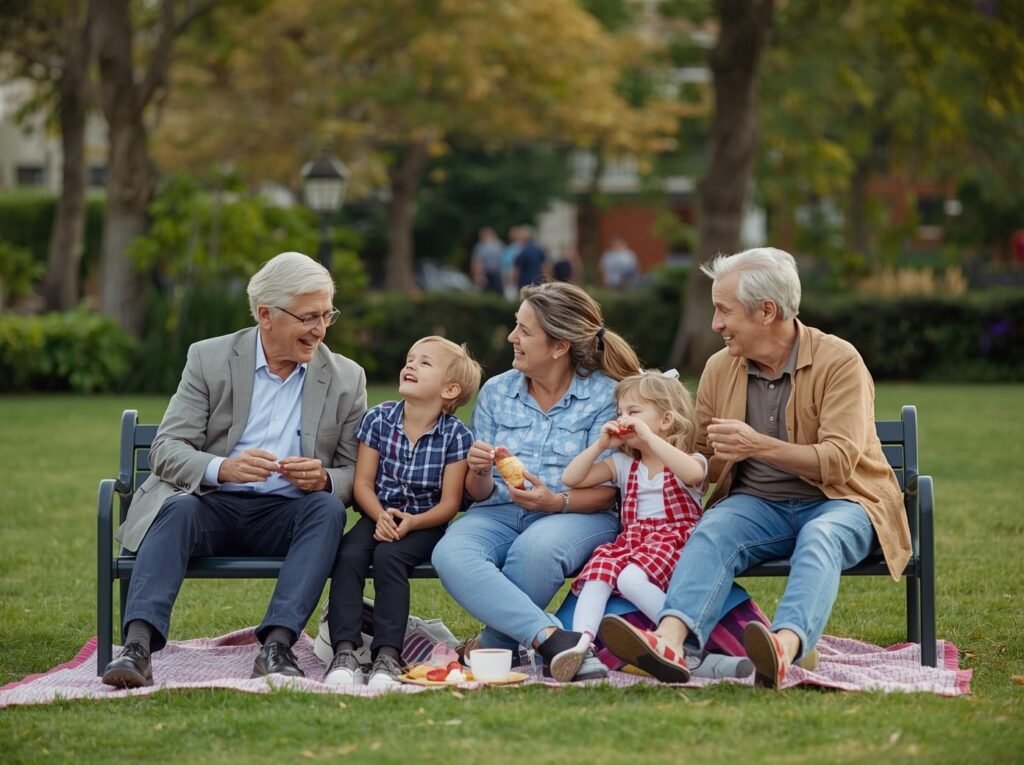
When naps are protected and days are thoughtfully paced, something shifts. Kids are happier. Adults are more relaxed. Grandparents can participate without feeling worn down. And instead of spending your trip managing meltdowns, you’re actually enjoying the destination together.
Because the goal isn’t to see everything—it’s for everyone to actually enjoy the experience together.
Ready for the next season of travel? If you’ve got bigger kids in the mix, don’t miss: Traveling with Teens: Low‑Pressure Wellness Ideas They Might Actually Enjoy — simple, low‑pressure ways to help them unwind, move, and reset on the road.