Multigenerational City Stays: How to Explore Local Neighborhoods Together
When multiple generations travel together, cities become more than crowded attractions and bucket-list landmarks; they turn into living classrooms full of stories, smells, and shared discoveries where your family can learn how the locals truly live. The key is slowing down, enjoying local life, and seeking out cultural immersion, one neighborhood at a time.
Choose a Walkable “Home Base”
Before you book your stay, look for cities and neighborhoods that make it easy to move at a slower pace and connect with everyday life.
Flat, safe streets are ideal for casual walkers or those with mobility issues. Look for ratings like “very walkable” or “pedestrian-friendly” on map tools like Google Maps or Walk Score.
How to Check Walkability with Google Maps
- Type your destination city, then zoom into a neighborhood you’re considering.
- Click a point (or choose a hotel/Airbnb), tap “Directions,” select the walking icon, and test how long it takes on foot to reach parks, cafés, markets, and major sights (aim for 5–20 minutes).
- Turn on satellite view to visually check for sidewalks, crosswalks, plazas, and green spaces along those routes.
How to Use Walk Score for Families
- Type in the address or neighborhood name.
- Check the Walk Score number: 90–100 is “Walker’s Paradise,” 70–89 is “Very Walkable,” which are both ideal ranges for multigenerational trips.
- Use the city and neighborhood rankings page to discover walkable cities and districts, then cross-check those spots in Google Maps to confirm sidewalks and crossings look comfortable for your group.
Access to essentials—bakeries, green spaces, markets, and cafés—means your family can slip into local routines like morning pastry runs, park visits, and evening strolls without long commutes.
Short transit connections to major sights let you enjoy big-city highlights while still returning to a calmer, authentic neighborhood “home.”
For example: Monti in Rome, Le Marais in Paris, and the Old Town of San Sebastián in Parte Vieja balance culture, local life, and accessibility, with plenty of opportunities to hear the local language, browse neighborhood shops, and see how residents use their streets and squares.
If you’re looking for a real‑life example of how this can work, explore my 3‑Day St. Michaels, Maryland itinerary for families of all sizes to see how a compact, walkable town can keep every generation engaged.
Monti, Rome, Italy

Monti feels like a village within the city, and you see it in the way local families use its streets and small plazas. Parents and grandparents linger over coffee at sidewalk cafés while kids play around the fountain in Piazza della Madonna dei Monti or chase each other along the narrow cobbled lanes.
Le Marais, Paris, France
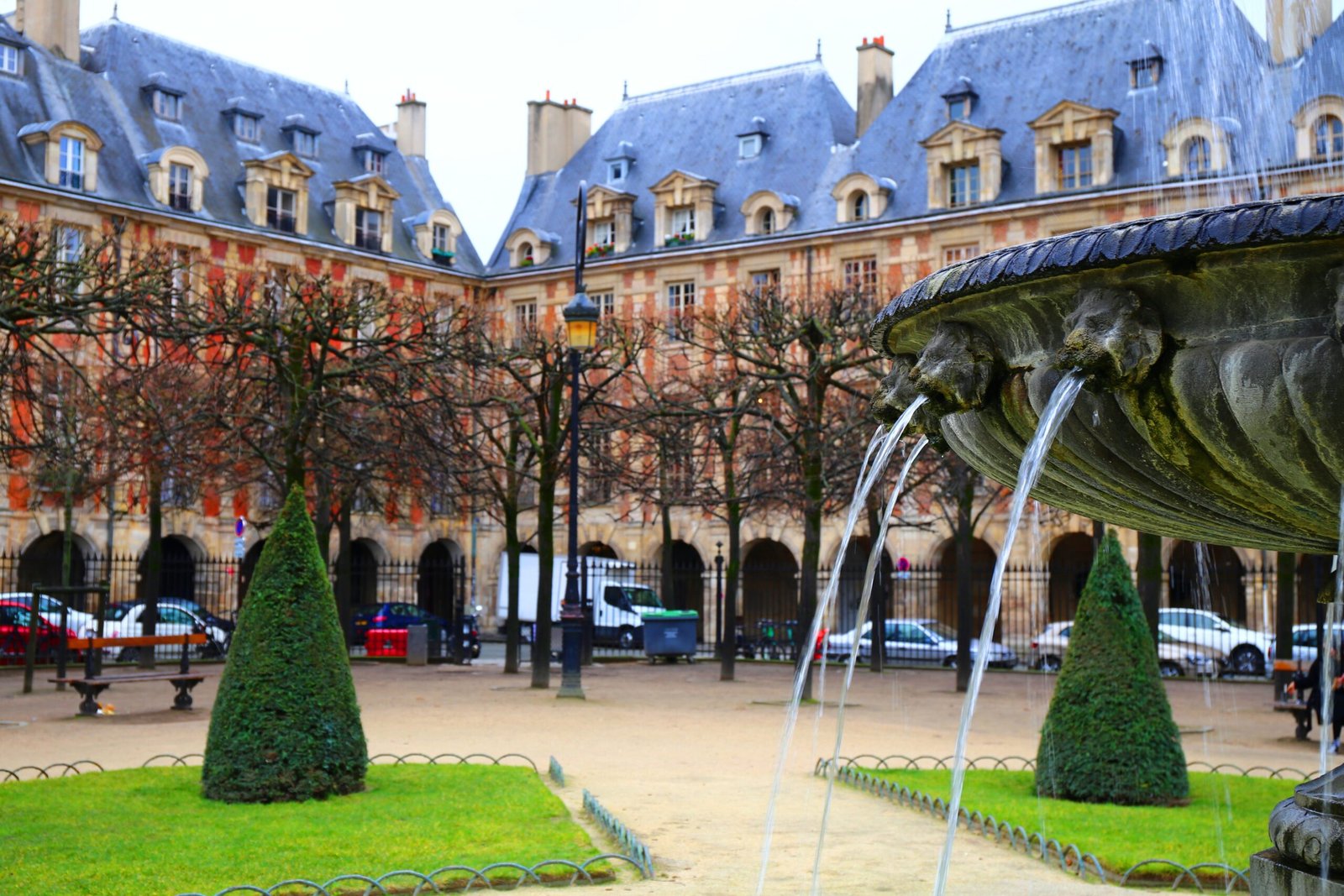
Le Marais blends historic streets with an everyday neighborhood feel, most visible in the way families fill its cafés and squares. Parents chat over drinks or an afternoon treat while kids run circles around the trees and benches in places like Place des Vosges or watch street performers nearby.
San Sebastián, Parte Vieja, Spain
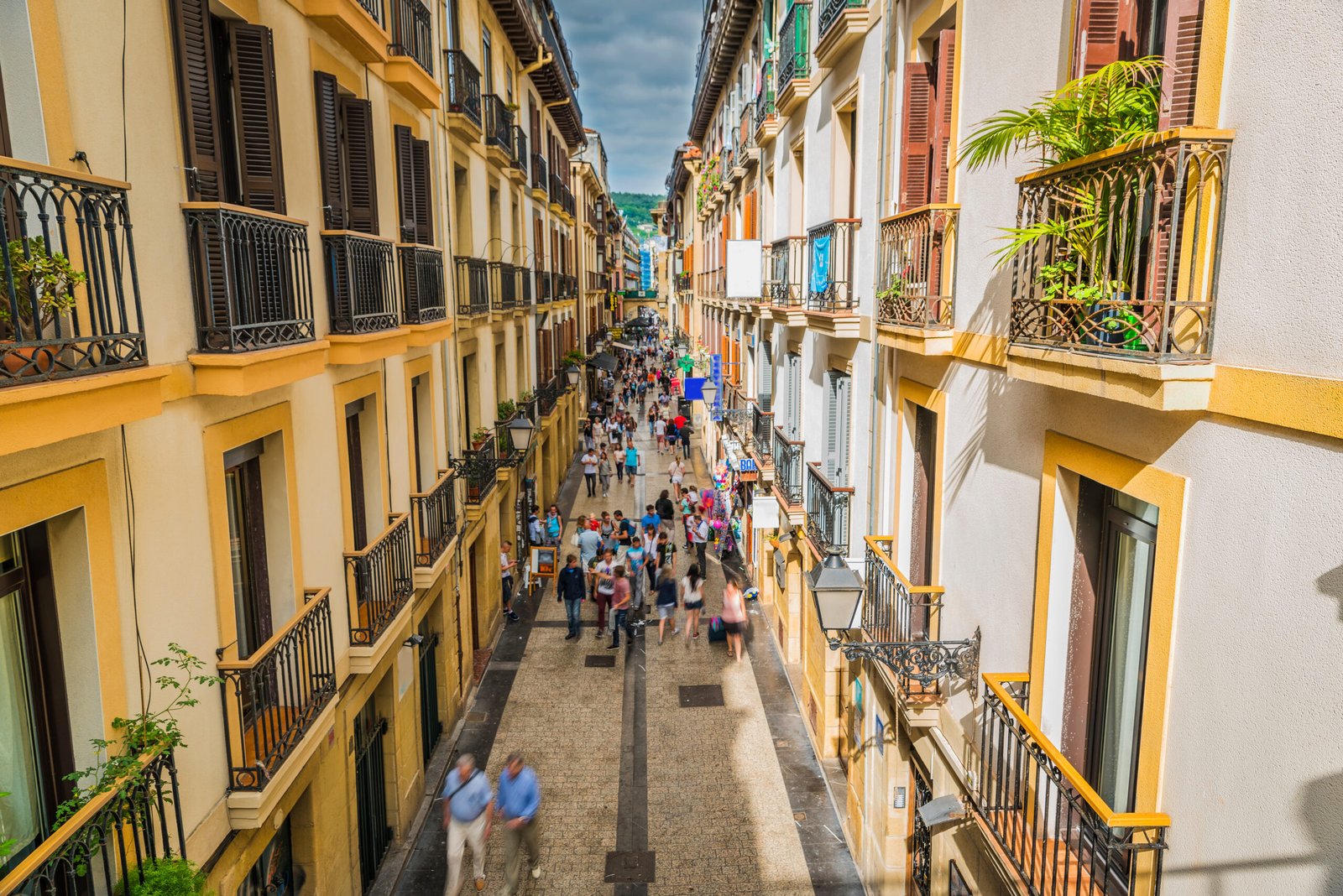
In the Old Town of San Sebastián, or Parte Vieja, narrow streets open onto lively plazas where kids play while parents and grandparents chat at café tables or stand at the bar over pintxos and small glasses of cider. In the late afternoon and evening, groups drift between bars, bakeries, and tiny shops, often ending in Plaza de la Constitución or along the waterfront, where everyday life and social time naturally spill into the streets.
Plan Gentle, Culturally-Rich Walking Tours
Think “strolls,” not “hikes.” A relaxed loop of 60–90 minutes with frequent pauses keeps everyone comfortable and leaves space to notice cultural details.
Start with sensory stops: a corner café for espresso and cocoa, a local playground, or a small park where kids can play while parents and grandparents people-watch and listen to the local language.
Weave in history and culture:
For younger kids: Invite everyone to “spot the history” as you walk—older façades, cobblestones, fountains, or monuments—then share a few details about who built them or how people used them in the past.
For older kids and adults: Turn each stop into a mini time-travel and cultural moment. Point out an old church, a war memorial, or a historic shop sign, and ask older kids and adults to share one fact or observation about each location, connecting it to the city’s larger story and traditions.
End somewhere rewarding—a lookout with a beautiful view, a bakery to sample local pastries, or a small museum or cultural center with shade, seating, and restrooms.
Pro tip: Use map apps to create a simple walking circuit that starts and ends near your accommodation so anyone who’s tired can easily peel off and head “home.”
For example: Jordaan in Amsterdam, Malá Strana in Prague, and Baixa in Lisbon all offer compact, walkable neighborhoods where you can design gentle loops that mix cafés, playgrounds, historic sites, and glimpses of everyday local life.
Jordaan, Amsterdam, Netherlands
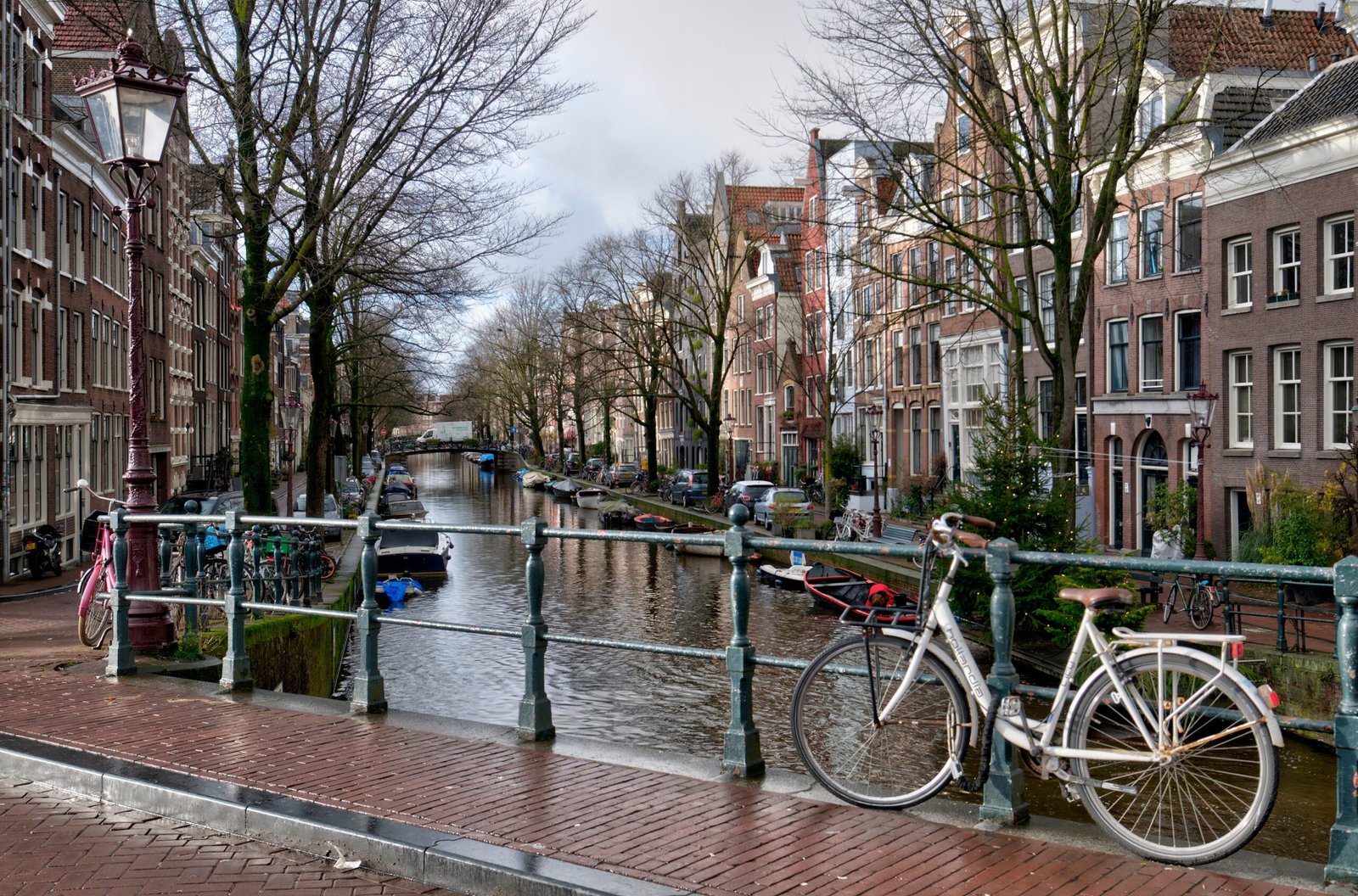
A family could easily spend an hour or two just wandering through Jordaan, one of Amsterdam’s most charming canal‑lined neighborhoods. Start with a slow walk along the narrow streets and bridges, pause at a corner café for coffee, hot chocolate, and stroopwafels, then let kids count bridges or houseboats and peek into cozy shop windows before you make your way back “home.”
Malá Strana, Prague, Czech Republic

Malá Strana, or Lesser Town, is one of Prague’s most memorable neighborhoods, perfect for slow, story-filled walks along its cobbled streets and baroque squares. Families can wander between St. Nicholas Church, quiet gardens, and the riverside, pausing at cafés while kids listen to street musicians or spot castle views perched above the rooftops.
Baixa, Lisbon, Portugal
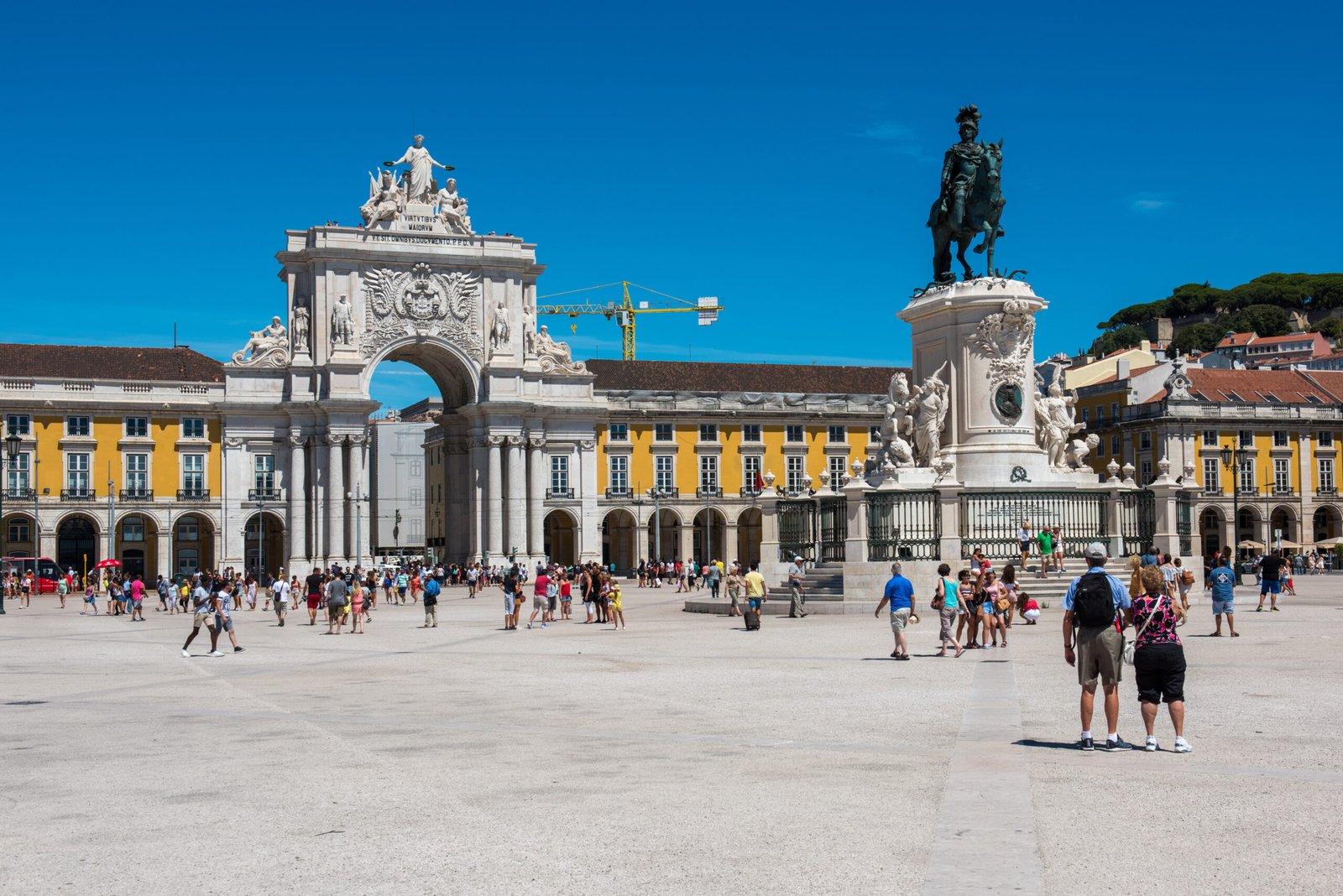
Baixa easily accommodates an hour of wandering its wide, mostly flat pedestrian streets and impressive squares. Stroll past tiled façades and traditional shops, then pause at a café terrace for coffee, juice, and pastel de nata before heading to Praça do Comércio so kids can explore the open plaza and riverfront while others rest on benches and take in views of the Tagus.
Visit Local Markets Together
Markets are ideal shared experiences—no tickets, no time limits, just cultural discovery. They’re one of the easiest ways to view daily rhythms, taste local flavors, and interact with residents in a relaxed setting.
- Let grandparents chat with vendors about recipes or local foods while kids choose fruits, treats, or small local items like toys or crafts.
- Try a “mini-mission,” such as finding one ingredient everyone can taste together later, compare local breads or sweets, or learn how to say “thank you” in the local language.
- Pause to notice details: how locals greet each other, what’s in their baskets, and which foods reflect the region’s climate and culture.
Pro tip: Arrive mid-morning when stalls are lively but not crowded and bring cloth bags so kids can help carry home their souvenirs.
For example: Asakusa in Tokyo, Barrio Escalante in San José, and St. Lawrence in Toronto all have vibrant, family-friendly markets where multigenerational groups can wander, snack, and people-watch together while soaking up local customs and flavors.
Asakusa, Tokyo, Japan
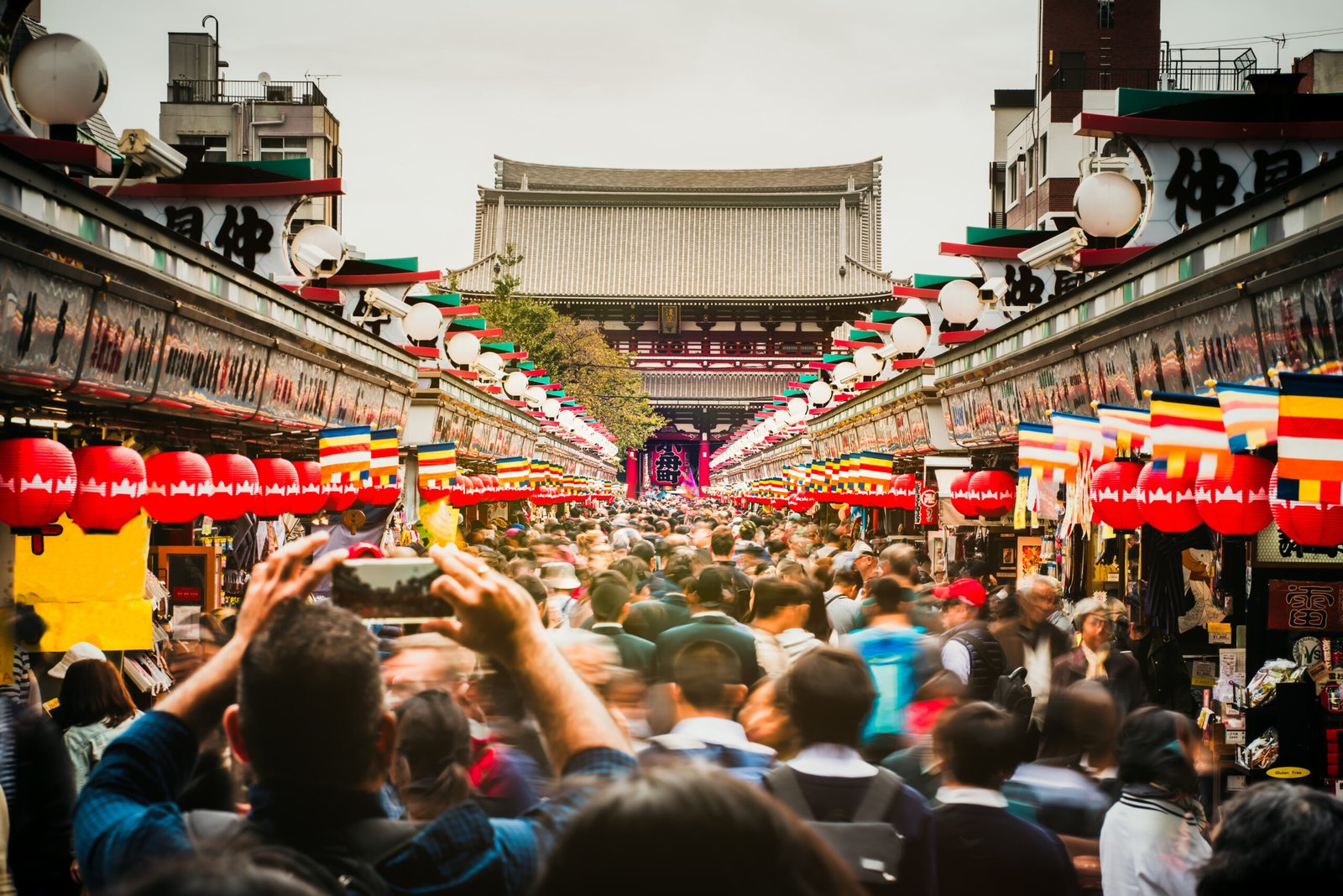
Asakusa gives families a window into both traditional food culture and everyday Tokyo life. Along Nakamise Shopping Street, stalls sell classic snacks like taiyaki, mochi, rice crackers, and sweet breads, while nearby side lanes show shopkeepers greeting regulars and school groups stopping for treats after temple visits.
Barrio Escalante, San José, Costa Rica
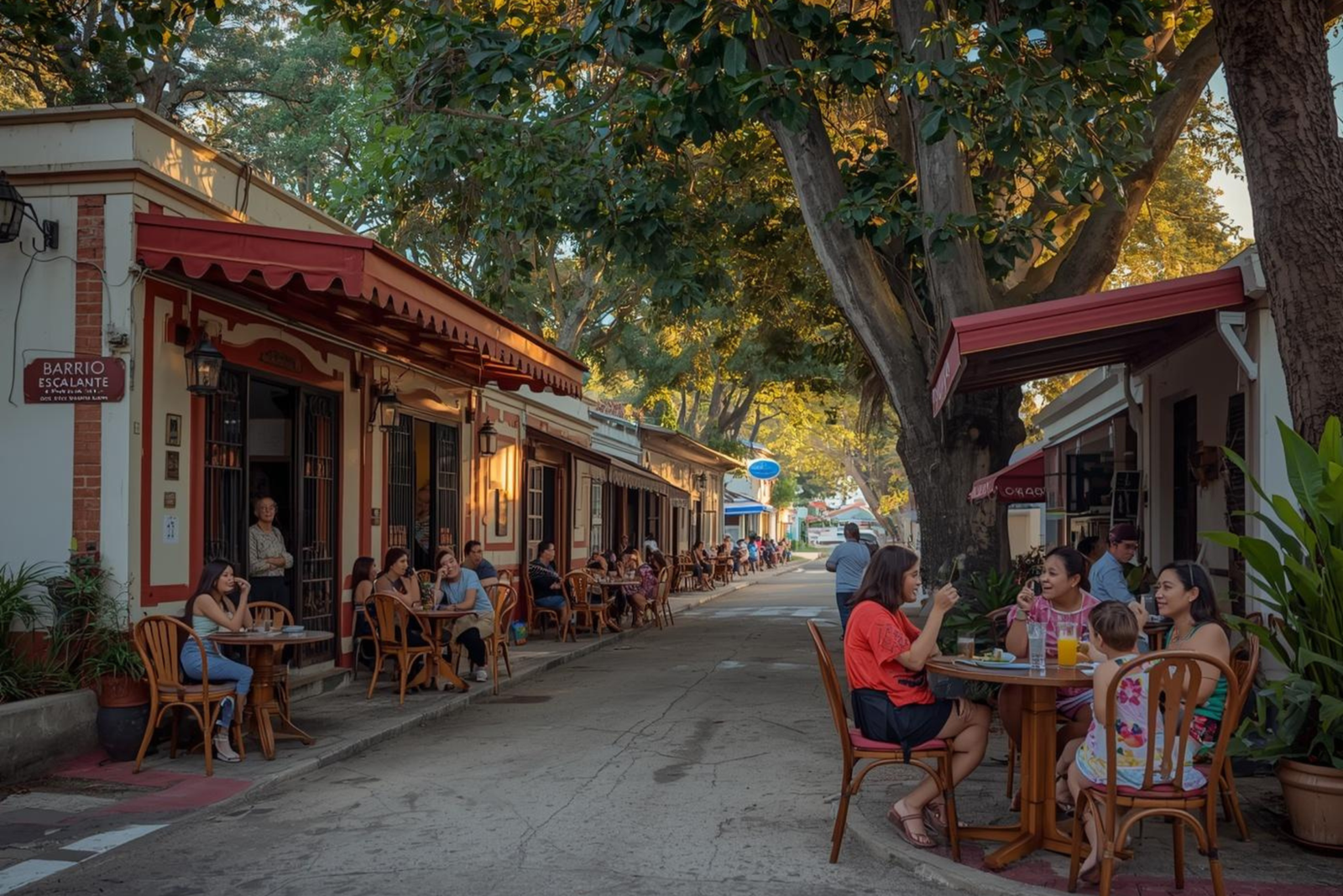
In San José, Barrio Escalante gives families a relaxed window into Costa Rican food culture and daily life. Locals fill its tree‑lined streets and cafés, lingering over coffee, casados, and shared plates while kids sip fresh juices or split pastries at outdoor tables.
St. Lawrence, Toronto, Canada
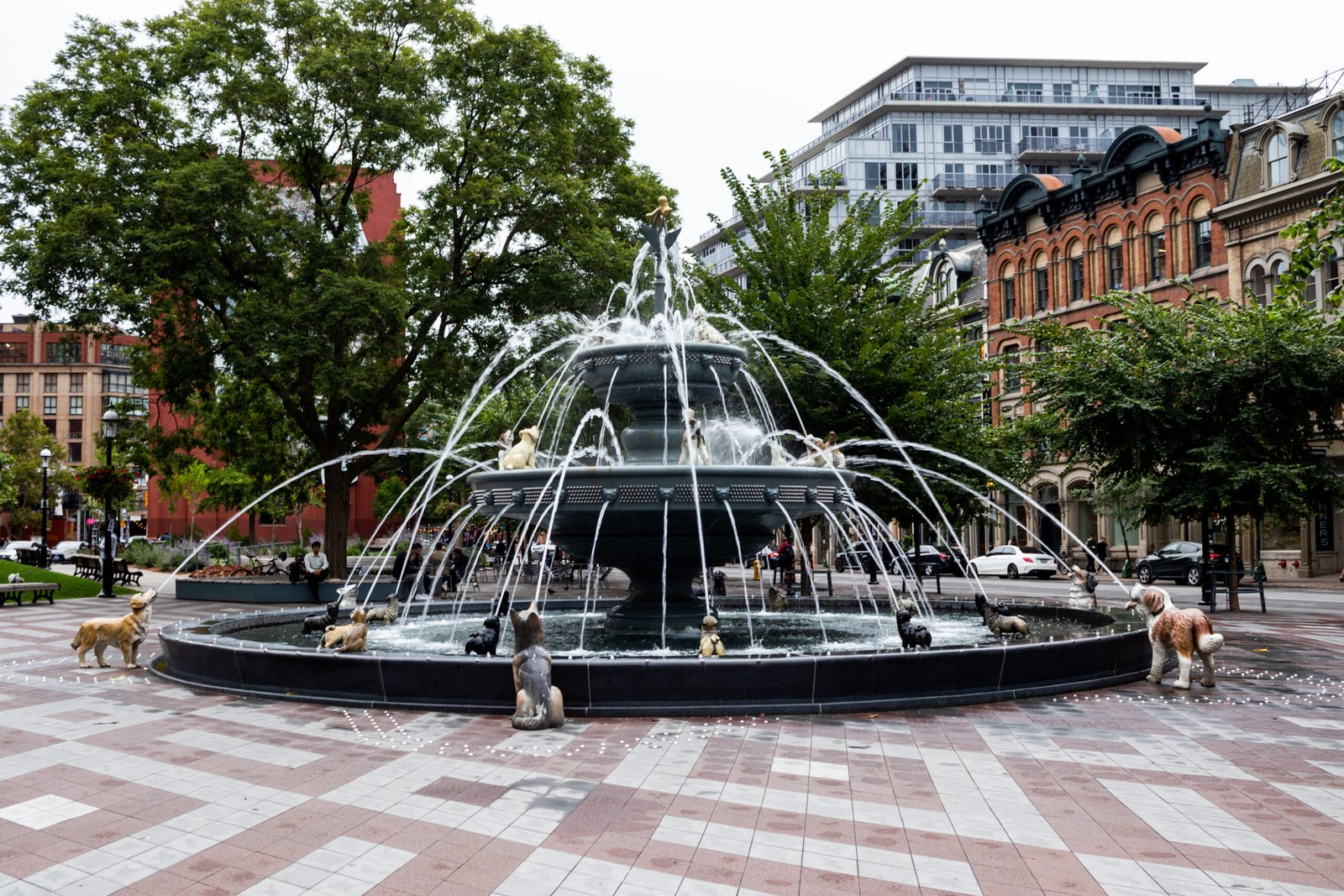
In the St. Lawrence neighborhood, families can walk quiet side streets lined with historic brick buildings, then duck into St. Lawrence Market to sample fresh bread, cheese, fruit, and peameal bacon sandwiches while chatting with long-time vendors. Just outside, small parks and nearby Berczy Park’s dog fountain give kids room to move while grandparents rest on benches and enjoy the city’s mix of local routine and weekend market buzz.
Blend Well Known Landmarks with Local Spots
Even the most famous cities feel more personal and immersive when you pair big sights with quiet, everyday corners.
- See one major attraction per day, then pair it with a quaint neighborhood experience: a family-run shop, a riverside walk where kids watch locals fish or play, or a small park or community beach where grandparents can rest.
- Schedule downtime in local cafés or courtyards so adults can relax while kids explore nearby fountains, plazas, or street art within clear line of sight.
- Rotate “leadership”: let a different family member choose the afternoon stop each day—a local treat to try, a small cultural center, or a neighborhood bookstore—so everyone participates in the shared experiences
These choices transform a trip from “city sightseeing” into “city living”—if only for a week—giving your family a real feel for how people eat, gather, relax, and celebrate.
Capture the Small Cultural Moments
Encourage each generation to notice what they love most: a street mural, a morning pastry, a musician in the square, or a conversation with a local resident. Gather these memories in a shared travel journal or digital album; including notes on sounds, tastes, and traditions you observed together. When you look back later, it’s these small cultural moments that will paint the truest picture of your multigenerational stay.

Want help designing a realistic, culture-rich city stay for your multigenerational crew? Drop your email below to get my free destination ideas, and new guides from The Creative Compass delivered straight to your inbox.